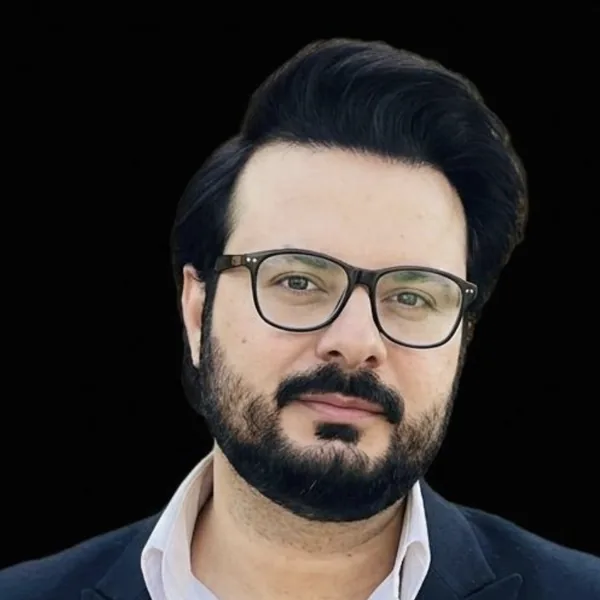
 By Dr. Muhammad Junaid Fateh
· Updated · 5 min read
Key takeaways
- Send clear photos on WhatsApp and book a video consultation before you travel; the final plan is confirmed in person.
- Book surgery early in your trip, away from family weddings, and leave a few spare days at the end.
- How long to stay depends on the procedure, from a few days after Botox or fillers to two to three weeks or more after larger surgery.
- Surgery and long flights both raise the risk of blood clots, so keep moving, stay hydrated and follow the advice you are given.
- Keep in touch by WhatsApp after you fly home, and seek urgent local care for chest pain, breathlessness, heavy bleeding or fever.
Many Pakistanis living in the UK, the Gulf, the USA and Canada choose to have cosmetic surgery during a trip home, where family can help with recovery and the setting feels familiar. Done well, it can be a smooth experience. The key is planning ahead, so that consultation, surgery, recovery and the flight back all fit safely into your time in Pakistan.
This guide from Dr. Junaid Fateh walks you through each step, from the first WhatsApp message to follow-up after you have flown home.
Step 1: Send photos on WhatsApp
Your first contact can happen long before you book a flight. Send a short message with photos, and Dr. Junaid can give an initial view of whether a procedure is likely to suit you.
Tips for useful photos:
- Use daylight from a window and a plain wall behind you.
- Turn off filters, beauty modes and editing.
- Take photos from the front, both sides and at an angle from each side.
- For hair loss: front, top, crown, back and both sides, with hair dry and combed back.
- For body procedures: front, side and back views in fitted clothing or underwear. You do not need to include your face.
Include a short message covering:
- Your age and what you would like to change
- Any medical conditions, medicines and previous surgery
- Whether you smoke
- Your likely travel dates and how long you can stay
Step 2: Book a video consultation
A video consultation lets you speak with Dr. Junaid directly from wherever you live. You can expect to:
- Talk through your goals and concerns
- Hear which options may suit you, and which may not
- Understand the likely recovery and how long you should plan to stay
- Ask questions, with family joining the call if you like
A video call is a valuable first step, but it cannot replace an examination. Your final plan is confirmed when Dr. Junaid sees you in person in Lahore, and occasionally it changes after he examines you. Some blood tests or checks may be arranged in Pakistan before surgery.
Bring with you: recent reports from your doctor abroad, a list of all medicines and supplements, and letters about any conditions such as diabetes, high blood pressure or heart problems.
Step 3: Choose the right time in your trip
Timing makes a big difference to how relaxed your recovery feels.
- Have surgery early in your visit, not in the last few days. You need time to recover before flying.
- Avoid the week of a family wedding. You may not be able to lift, dance, dress up or eat freely, and swelling or bruising may still be visible.
- Think about Ramadan. Fasting can make it harder to stay hydrated and take medicines on time. Discuss this with Dr. Junaid if your trip falls during Ramadan.
- Consider the season. The heat and dust of a Punjab summer can make dressings and compression garments uncomfortable. Some people prefer the cooler months.
- Leave a buffer. If you can, keep a few spare days at the end in case healing is slower than expected.
Step 4: Plan how long to stay
How long you need to stay depends on the procedure and on how you heal. The table below is a general planning guide. Dr. Junaid will tell you what applies to you, and the time may be longer if your recovery needs it.
| Procedure | Plan to stay at least | Why |
|---|---|---|
| Botox or fillers | A few days | Lets swelling and bruising settle and allows a check |
| FUE hair transplant | About 1 week | First washes, crusts settling and a review before flying |
| FUT hair transplant | About 10–14 days | Stitch removal and a wound check |
| Gynecomastia or liposuction | About 1–2 weeks | Wound check and settling into your compression garment |
| Rhinoplasty | About 7–10 days | Splint removal and early review |
| Tummy tuck or combined procedures | About 2–3 weeks or more | Wound checks, any drains removed, lower clot risk before a long flight |
Flying home after surgery
Both surgery and long flights raise the risk of blood clots in the legs. Taken together, they need some care.
- Keep moving: walk the aisle regularly and flex your ankles and calves while seated.
- Stay hydrated: drink water and avoid alcohol on the flight.
- Compression stockings: wear them if Dr. Junaid advises, and ask whether you need any other precautions based on your health.
- Do not lift heavy bags: ask family to help, or request assistance at the airport.
- Carry your paperwork: keep your medicines in your hand luggage, along with a written summary of your operation and aftercare instructions.
- After a hair transplant: wear a loose cap, take care with overhead lockers, and a travel pillow helps you sleep without rubbing the grafts.
Some swelling may increase temporarily during a flight. If you are returning to the Gulf in summer, protect healing skin and grafts from the sun and heat.
Check your travel insurance. Many policies do not cover planned surgery abroad or its complications, so read the terms before you travel.
Follow-up once you are home
Recovery continues after you land, and staying in touch matters.
- WhatsApp updates: send photos at the times the team suggests so Dr. Junaid can check your progress.
- Video reviews: a short call can answer questions and catch problems early.
- Your local doctor: let your GP or family doctor know about your surgery and share your operation summary.
- In-person reviews: arrange a check-up on your next visit to Pakistan if needed.
Seek urgent local care straight away if you have chest pain, breathlessness, a painful swollen leg, heavy bleeding, fever or rapidly spreading redness. Then let the team know.
A quick checklist before you book flights
- Video consultation done and plan discussed
- Medical reports and a list of medicines ready
- Smoking stopped, if advised
- Surgery booked early in your trip
- Enough time to stay, plus a few spare days
- Someone to stay with you for the first few days
- Travel insurance checked
- Follow-up plan agreed
What about cost?
Overseas patients often want to budget before travelling. Cost depends on the procedure, its extent, the anaesthesia and any hospital stay. You can get an indication after your video consultation, and the final quote follows your in-person examination. The cost guide explains the factors involved.
Talk to Dr. Junaid
If you are planning a trip home and considering a procedure, send your photos on WhatsApp and book a consultation by video. Dr. Junaid will help you plan safely around your travel dates. For more practical details, visit the overseas patients page or read about hair transplant in Lahore.
This article is general information and not a substitute for a personal medical consultation.
Quick answers
Can I have a consultation before I travel to Pakistan?
Yes. You can send photos on WhatsApp and book a video consultation with Dr. Junaid before you travel. He will explain your options and a likely plan, which is then confirmed when he examines you in person in Lahore.
How soon can I fly back after surgery?
It depends on the procedure. After Botox or fillers it may be a few days; after a hair transplant, around one to two weeks; after larger body procedures, often two to three weeks or more. Dr. Junaid will advise you individually.
What if I have a problem after I return home?
Send photos and a message to Dr. Junaid’s team on WhatsApp for advice. If you have severe pain, fever, heavy bleeding, chest pain or breathlessness, seek urgent care locally straight away and let the team know afterwards.
Can I get a price before I travel?
You can get an indication after your video consultation, based on the plan discussed. The final quote is confirmed once Dr. Junaid has examined you in person, as the plan can sometimes change after examination.
About the author
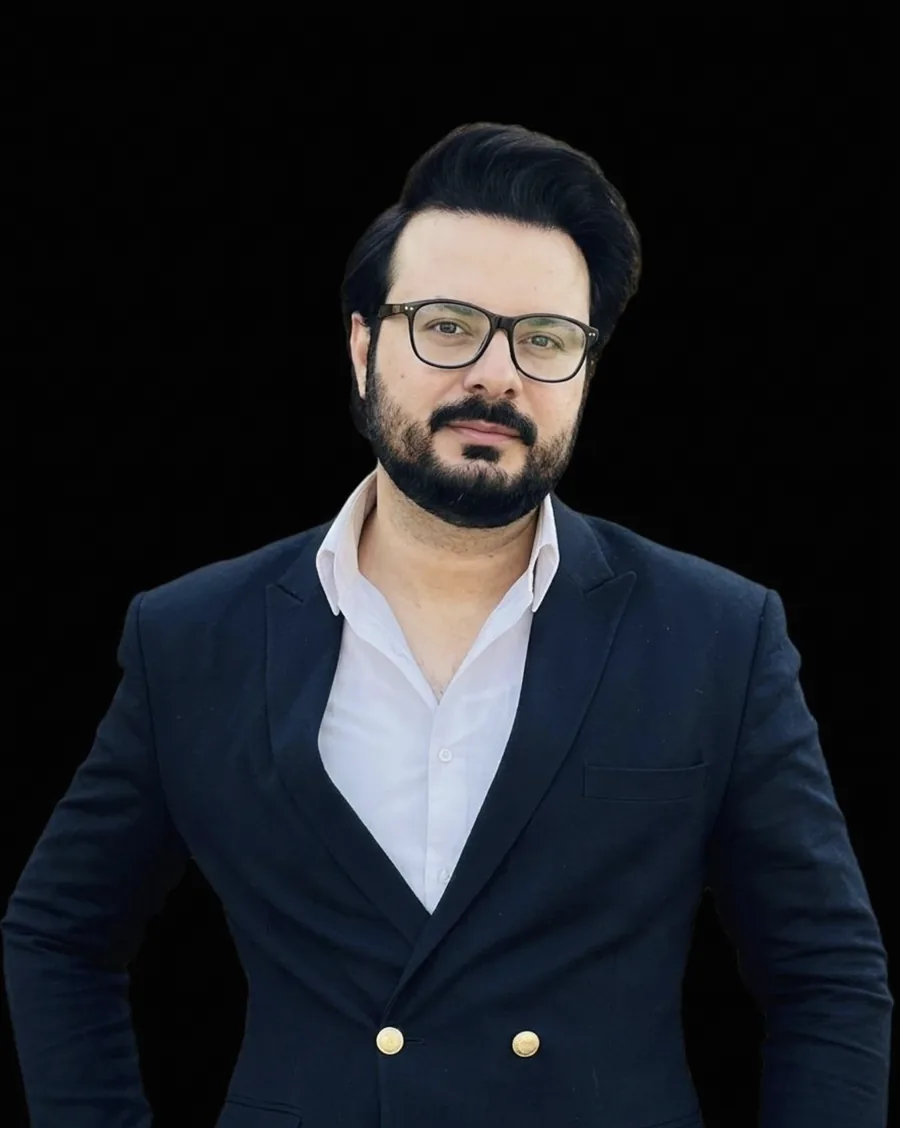
Dr. Muhammad Junaid Fateh
Plastic, Cosmetic & Reconstructive Surgeon (MBBS, FCPS (Plastic Surgery)) seeing patients in Lahore. Read more about Dr. Junaid.