Quick answer
Face trauma reconstruction repairs facial cuts, broken facial bones and lost tissue after road accidents, falls or animal bites, to restore how the face works and looks. FCPS plastic surgeon Dr. Junaid Fateh sees patients in Lahore. Surgery takes 1 to 6 hours under general anaesthesia, usually with 1 to 5 days in hospital and 2 to 6 weeks of recovery. Cost depends on your plan and is confirmed after consultation.
Also known as: Facial trauma surgery, Facial fracture repair, Facial injury reconstruction, Facial laceration repair, Chehre ki chot ka ilaj, Chehre ki haddi tootne ka operation, Accident ke baad chehre ki surgery · چہرے کی چوٹ کی سرجری
About Face Trauma Reconstruction
Facial injuries are common in Pakistan. Road traffic accidents, motorbike falls, workplace incidents, sports, assaults and dog bites are among the usual causes. The face holds the eyes, nose and mouth, along with the nerves and muscles of expression, so even a moderate injury can affect vision, breathing, eating, speech and how you feel about your appearance.
Face trauma reconstruction covers the repair of cuts and torn tissue, broken facial bones, and injuries to the eyelids, lips, ears and nose. It also includes later surgery to improve scars or deformities from injuries that did not heal well.
Dr. Junaid Fateh is a plastic and reconstructive surgeon with FCPS in Plastic Surgery who repairs facial injuries with the precision a visible area demands. If an injury has just happened, your first stop should always be the nearest emergency department, where head, eye and airway injuries can be checked and treated.
How Dr. Junaid approaches facial injuries
Dr. Junaid begins with a careful examination. He checks how your eyes move, whether your bite feels normal, how each part of your face moves and where feeling has been lost. Scans are reviewed so that every fracture is understood before surgery, and photographs help with planning and later comparison.
For cuts, the aim is a scar that is as fine as possible. The wound is cleaned thoroughly, damaged edges are trimmed conservatively, and key landmarks such as the edge of the lip, the eyelid margin and the eyebrow are lined up exactly before the layers are closed. Where tissue is missing, he uses nearby skin or a graft to rebuild it.
For fractures, he restores the shape and position of the bones so your face looks balanced and works properly. Small plates and screws may hold the bones in place, placed through incisions hidden inside the mouth, in the hairline or along natural creases wherever possible.
He is honest that results vary between people and depend on the original injury. Like any surgery, facial reconstruction carries risks, and Dr. Junaid goes through them with you at consultation.
Techniques and options
Options Dr. Junaid may recommend include:
- Layered laceration repair: Precise closure of facial cuts, including those on the lip, eyelid, ear and nose.
- Nasal fracture realignment: Straightening a broken nose, either by manipulation or through small incisions, to restore shape and breathing.
- Cheekbone and eye socket repair: Lifting and fixing a displaced cheekbone or rebuilding the floor of the eye socket to correct a sunken eye or double vision.
- Jaw fracture repair: Restoring a normal bite with plates or wiring, sometimes alongside a dental specialist.
- Local flaps and grafts: Replacing lost skin or tissue with nearby skin or a graft for a close match.
- Facial nerve repair: Rejoining a cut branch of the facial nerve, ideally soon after injury, to give movement the best chance to return.
- Secondary reconstruction: Scar revision, nose correction or contour work for injuries that healed with a deformity.
What to expect on the day
Fracture repairs are done under general anaesthetic, and you may stay in hospital for one to five days depending on the injury. You wake with some swelling and, after nose surgery, possibly a small splint. The team explains wound care, diet and pain relief before you go home.
Before & after
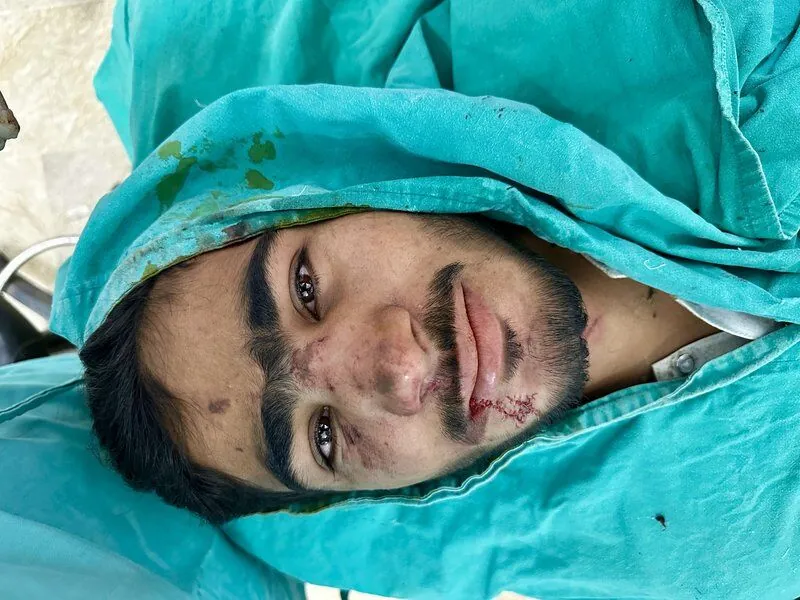
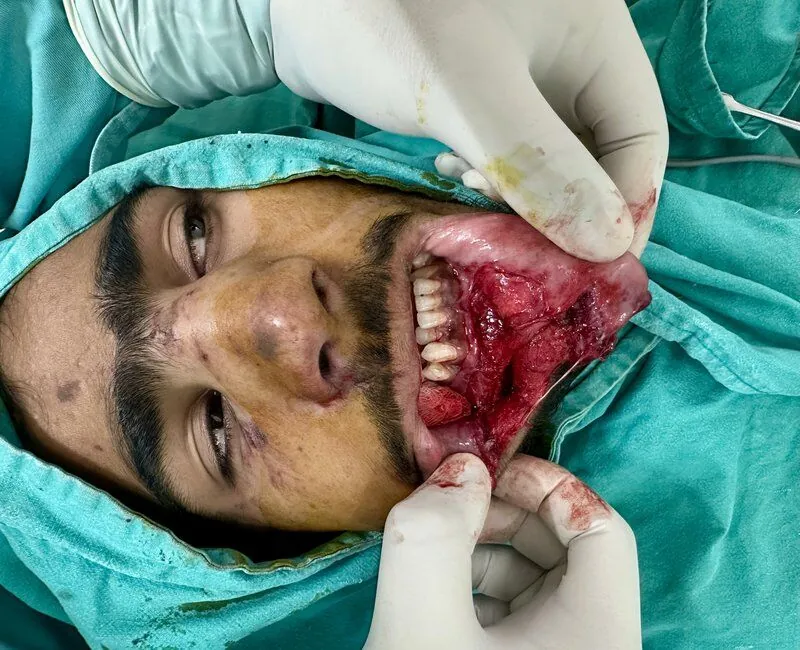 Before
After
Photos are shared with patient consent. Results vary from person to person. See more results
Benefits of Face Trauma Reconstruction
Function Restored
Repair focuses on vision, breathing, chewing, speech and facial movement as well as appearance.
Fine Wound Repair
Facial cuts are cleaned thoroughly and closed in layers with fine stitches for the neatest scar possible.
Balanced Features
Broken noses, cheekbones and eye sockets are realigned to restore the symmetry of your face.
Safety First
Head, eye and airway injuries are dealt with first, and facial repair is planned once you are stable.
A Clear Plan
You get a step-by-step explanation of what will be repaired now and what may need attention later.
Later Refinement
Scars and deformities from older injuries can often be improved with secondary reconstruction.
Are you a good candidate?
Face trauma reconstruction may help if you have:
- A deep or complex cut to the face, lip, eyelid, ear or nose
- A broken nose, cheekbone, eye socket or jaw
- Skin or tissue lost from the face after an accident or animal bite
- Double vision, numbness or a sunken-looking eye after a facial injury
- Weakness of facial movement after a deep cut to the cheek
- A crooked nose, blocked breathing or uneven features from an old injury
- Wide, raised or tight scars left by a previous facial wound
After a fresh facial injury, go to the nearest emergency department first, especially if there is heavy bleeding, a head injury, difficulty breathing or any change in vision. Once you are stable, Dr. Junaid can plan the facial repair.
Recovery & aftercare
Recovery depends on what was injured and how it was repaired:
- Days 1 to 3
Swelling and bruising are at their worst. Sleeping with your head raised and using cold compresses helps them settle.
- Days 5 to 7
Facial stitches are usually removed. You can wash your face gently and start protecting the healing wound from the sun.
- Weeks 2 to 4
Most bruising has faded. After fracture repair, you stay on softer food if advised and protect your face from any knock.
- Weeks 4 to 6
Most people are back to their normal routine. Contact sports and heavy lifting wait until Dr. Junaid confirms the bones have healed.
- Months 6 to 12
Scars mature and soften, and any nerve recovery continues slowly. Secondary refinements, if needed, are planned after this point.
Scars keep improving for up to a year. Gentle massage, silicone and careful sun protection all help, and the team will show you how to look after the healing skin.
Face Trauma Reconstruction FAQs
I have just injured my face. Where should I go first?
Go to the nearest emergency department first. Head, eye, neck and airway injuries must be checked before anything else. On the way, press a clean cloth firmly on any bleeding cut. Once you have been assessed and are stable, Dr. Junaid can see you for repair of facial cuts and fractures or for follow-up.
How soon should facial injuries be repaired?
Cuts are best cleaned and closed as early as safely possible, usually within the first day. Many fractures are fixed within the first one to two weeks, once swelling has eased enough to judge the shape of the face. Minor fractures that have not moved may heal without surgery. Older injuries that healed poorly are usually corrected after 6 to 12 months.
Will I have a scar?
Any cut through the skin leaves a scar, but careful layered repair and lining up landmarks such as the lip edge and eyebrow make it as fine as possible. Scars fade and soften over about a year, and those that remain noticeable can often be improved with scar revision. Results vary between people.
Is facial reconstruction painful?
Small cuts can be repaired under local anaesthetic, while fracture repair is done under general anaesthetic so you are asleep. Afterwards, aching, swelling and some stiffness when chewing are common for the first week and are usually well controlled with prescribed pain relief.
How much time off work will I need?
After repair of facial cuts, many people return to work within one to two weeks. After fracture repair, plan for two to six weeks depending on the injury and your job. Contact sports usually wait at least six weeks, and Dr. Junaid will tell you when it is safe.
Are the results permanent?
Healed bones and repaired tissues are permanent, and scars keep improving with time. Some people need a second, smaller procedure later to refine a scar or the shape of the nose. Like any surgery, there are risks such as infection, visible scarring, numbness, asymmetry and problems with plates or screws. Dr. Junaid goes through these with you at consultation.
How much does face trauma reconstruction cost in Lahore?
The cost depends on which bones and tissues are involved, whether plates or grafts are needed, the anaesthetic, scans and the length of your hospital stay. Dr. Junaid will give you a personalised quote after assessing your injury. For a general guide to what affects pricing, see the cost guide.
Can I have an online consultation from abroad?
Yes, for injuries that have already healed. Send photos of your face and any CT scans or reports on WhatsApp, then book a video consultation. Dr. Junaid can explain the likely options, and the final plan is confirmed after he examines you in person in Lahore. A fresh injury needs the nearest emergency department, not a video call.
What are the risks or side effects of face trauma reconstruction?
Swelling, bruising and some stiffness when chewing are common in the first week. Less common risks include infection, a visible or widened scar, numbness of the cheek or lip, uneven features and, after fracture repair, problems with plates or screws that may need further surgery. Risks are reduced by treating head, eye and airway injuries first, thorough wound cleaning, careful layered repair and following aftercare advice. Dr. Junaid discusses these openly before surgery.
When will I see the final results of face trauma reconstruction?
Most bruising fades within 2 to 4 weeks, and most people are back to their normal routine by 4 to 6 weeks. Scars keep maturing and softening for 6 to 12 months, and any nerve recovery continues slowly over this time. If a scar or the shape of the nose needs refining, that is usually planned after this point.
Roman Urdu mein maloomat (چہرے کی چوٹ کی سرجری)
Face trauma reconstruction mein accident, girne ya chot ke baad chehre ke gehre zakhm, tooti hui haddiyon aur zaya hone wale tissue ki marammat ki jati hai. Dr. Junaid Fateh Lahore mein mareezon ko dekhte hain aur chehre ki banawat aur kaam dono behtar karne ka plan banate hain. Taaza chot mein pehle qareebi emergency jayen, phir mashware ke liye WhatsApp par rabta karein.
WhatsApp par mashwara book karein