Quick answer
Skin grafting moves healthy skin from one part of your body to cover a burn, injury or surgical wound that cannot close on its own. FCPS plastic surgeon Dr. Junaid Fateh sees patients in Lahore. It takes 1 to 3 hours under local or general anaesthesia, with 1 to 3 days in hospital and 2 to 4 weeks of recovery. A graft that takes gives permanent cover. Cost is confirmed after consultation.
Also known as: Skin graft surgery, Split skin graft (SSG), Split-thickness skin graft, Full-thickness skin graft, Skin transplant, Jild ki paiwand kari, Zakhm par jild lagana · جلد کی پیوند کاری
About Skin Grafting
A skin graft is a piece of healthy skin moved from one part of your body, called the donor site, to cover a wound somewhere else. When the graft is first placed, it has no blood supply of its own. Over the next few days, tiny new vessels grow into it from the wound bed, and it becomes a living, permanent part of your skin.
Grafting is used when a wound is too large or too deep to close with stitches or to heal well on its own. Common reasons include deep burns, injuries where skin has been lost, wounds left after removing a skin cancer, chronic ulcers, and gaps created when a tight burn scar is released.
Dr. Junaid Fateh is a plastic and reconstructive surgeon who uses skin grafts as part of burn, trauma and cancer reconstruction. Choosing the right type of graft and the right donor site has a big influence on how the final result looks and feels.
How Dr. Junaid approaches skin grafting
A graft can only take on a healthy wound, so the first step is to assess the wound bed. Dr. Junaid checks for infection, dead tissue and blood supply, and reviews conditions that slow healing, such as diabetes, smoking, anaemia and poor nutrition. Some wounds need cleaning, dressings or removal of dead tissue before grafting can succeed.
He then matches the graft to the job. For large areas, a thin split-thickness graft covers more ground. For the face, hands and other visible or mobile areas, a full-thickness graft usually gives a better colour match and tightens less. Donor sites are chosen so they are hidden by clothing or natural creases where possible.
Attention to detail in theatre matters. The graft is laid carefully, fixed with fine stitches or staples, and held firmly against the wound with a dressing so fluid cannot collect beneath it. Joints may be splinted so that movement does not disturb the graft in the first days.
Like any surgery, skin grafting carries risks, and results vary between people. Dr. Junaid goes through the risks with you at consultation and explains how you can help your graft take.
Techniques and options
Options Dr. Junaid may recommend include:
- Split-thickness skin graft: A thin layer of skin, usually from the thigh, ideal for covering large wounds. It can be meshed so it stretches further.
- Full-thickness skin graft: The full depth of skin, usually from behind the ear, the groin or the inner upper arm, suited to the face and hands.
- Composite graft: A small graft of skin with fat or cartilage, for example from the ear, to rebuild the rim of the nostril.
- Dermal substitutes: A layer placed on the wound to build a stronger base before a thin graft is added, used in selected cases.
- Wound bed preparation: Cleaning and dressing the wound, sometimes over several sessions, so it is ready to accept a graft.
- Negative pressure dressings: A sealed dressing with gentle suction that can help the wound bed improve and the graft stay in contact, where suitable.
What to expect on the day
Small grafts can be done under local anaesthetic, while larger ones need a general anaesthetic and a stay of one to three days. You wake with a firm dressing over the graft and a separate one on the donor site. The team explains how to keep both clean, dry and still until your first dressing change.
Before & after
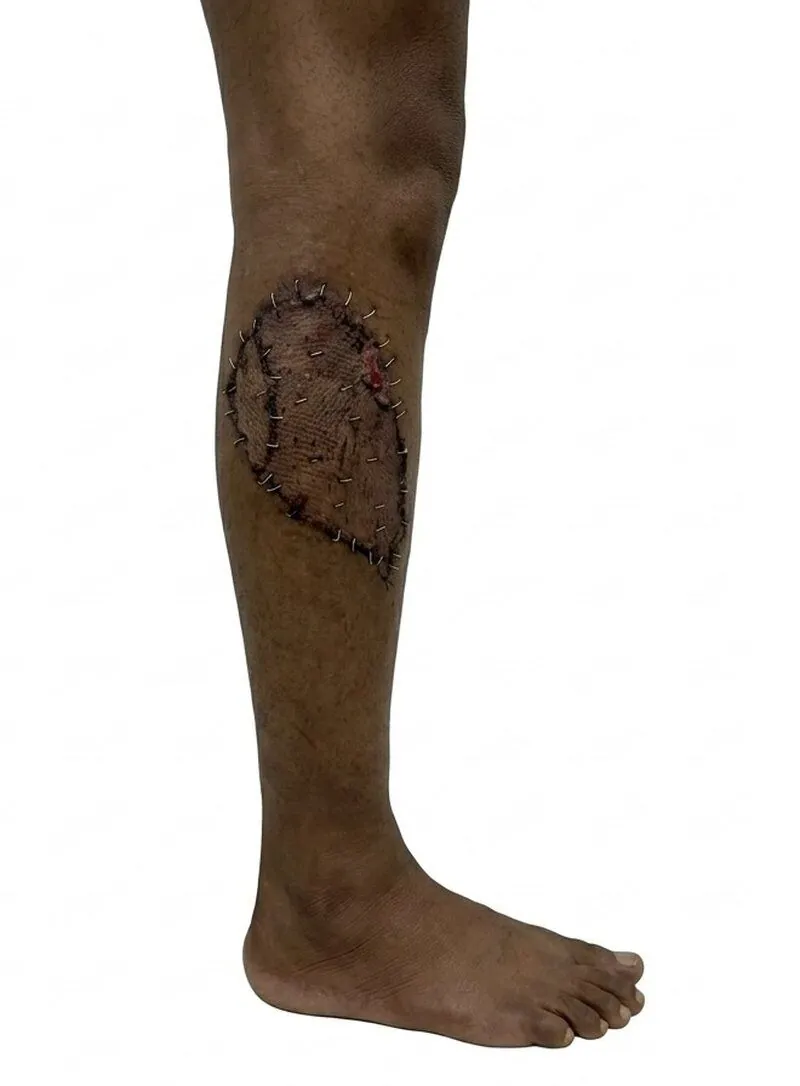
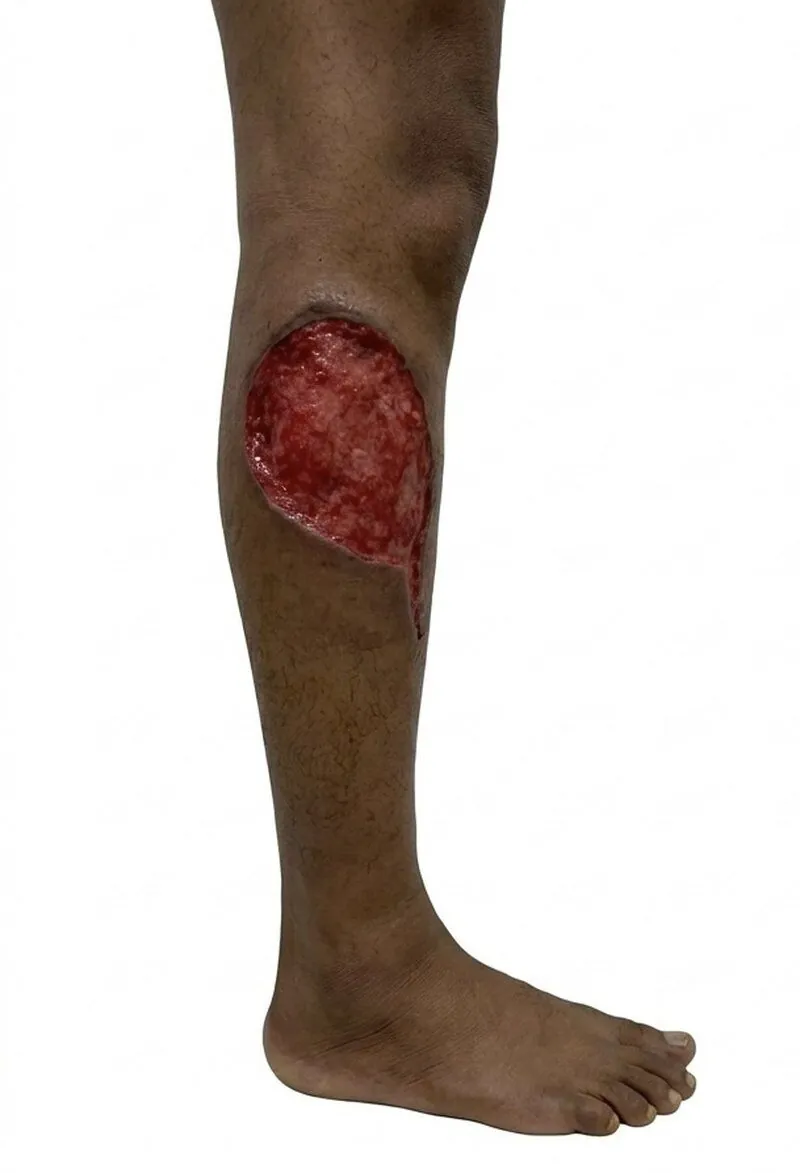 Before
After
Photos are shared with patient consent. Results vary from person to person. See more results
Benefits of Skin Grafting
Protective Cover
A graft closes the wound and shields what lies beneath from infection and drying out.
Quicker Healing
Large wounds that could take months to close by themselves can often heal within weeks once grafted.
Your Own Skin
Grafts are taken from your own body, so there is no risk of the skin being rejected.
The Right Graft
The type of graft and the donor site are chosen to suit the wound and how visible the area is.
Protects Movement
Over joints and hands, grafting is combined with splints and therapy to keep movement free.
Discreet Donor Sites
Donor skin is usually taken from areas covered by clothing, such as the thigh, or from hidden creases.
Are you a good candidate?
Skin grafting may be recommended if you have:
- A deep burn that will not heal well on its own
- Skin loss from a road accident, crush injury or an injury where skin has been torn away
- A wound left after removing a skin cancer or other lesion
- A chronic wound, such as a diabetic or pressure ulcer, that has been cleaned and prepared
- A gap left after releasing a tight burn scar
- Exposed tissue that needs lasting skin cover once the wound bed is healthy
A graft needs a clean wound with a good blood supply to take, and your general health matters too. Controlling diabetes and stopping smoking make a real difference. For a fresh burn or injury, go to the nearest emergency department first.
Recovery & aftercare
Most skin grafts follow a similar pattern of healing:
- Days 1 to 5
A firm dressing holds the graft against the wound. Keep the area still and raised, and do not get the dressing wet.
- Days 5 to 7
The first dressing change shows how well the graft has taken. A pink, well-attached graft is a good sign.
- Weeks 2 to 3
A split-thickness donor site usually heals in this time, and gentle use of the grafted area increases as advised.
- Months 1 to 3
The graft settles. Moisturise it daily, as grafted skin tends to be dry, and keep it out of direct sun.
- Months 6 to 12
Colour and texture keep improving, and the final appearance is usually judged at around a year.
Lahore’s heat and strong sun are hard on new grafts, so keep them covered and moisturised and avoid heavy sweating under dressings. Dr. Junaid’s team checks the graft and donor site at each visit.
Skin Grafting FAQs
What is the difference between split-thickness and full-thickness grafts?
A split-thickness graft is a thin shaving of skin, usually from the thigh. It can cover a large area, and the donor site heals rather like a graze. A full-thickness graft includes the whole skin layer and is taken from places such as behind the ear, the groin or the inner upper arm, where the donor site is stitched closed. Full-thickness grafts tend to match better and tighten less, so they suit the face and hands.
Will the graft match my skin colour?
Grafted skin often looks different at first, sometimes darker, lighter or shinier than the skin around it, and in brown skin grafts commonly darken. The match usually improves over months. Full-thickness grafts from nearby areas tend to blend best, and sun protection helps.
Does skin grafting hurt?
The operation is done under local or general anaesthetic, so you do not feel it. Afterwards, many people find the donor site more uncomfortable than the graft itself for the first week or so. Regular pain relief keeps this manageable.
How long before I can go back to work?
For a small graft, many people return to desk work within one to two weeks. Grafts on the leg or foot take longer, because the leg needs to be kept raised at first. Manual work usually waits three to four weeks, depending on the site and how the graft is healing.
Is a skin graft permanent?
Yes. Once a graft has taken, it becomes a permanent part of your skin. Grafts can tighten over time, especially split-thickness grafts and those in growing children, so further release is sometimes needed. Grafted skin does not usually grow hair and may feel less sensitive. Results vary between people.
What can stop a graft from taking?
Blood or fluid collecting under the graft, movement in the first few days, infection, a poor blood supply, smoking and uncontrolled diabetes can all affect graft take. Partial loss often heals with dressings or a small repeat graft. Like any surgery, there are risks such as bleeding, infection, tightening and colour difference, and Dr. Junaid goes through these with you at consultation.
How much does skin grafting cost in Lahore?
The cost depends on the size and location of the wound, the type of graft, any preparation the wound needs first, the anaesthetic and the length of your hospital stay. Dr. Junaid will give you a personalised quote after your consultation. For a general guide to what affects pricing, see the cost guide.
Can I have an online consultation from abroad?
Yes. Send clear photos of the wound and any reports on WhatsApp, then book a video consultation. Dr. Junaid can advise whether grafting is likely to help and what preparation may be needed, and the final plan is confirmed after he examines you in person in Lahore.
When will I see the final results of skin grafting?
The first dressing change at 5 to 7 days shows how well the graft has taken, and a split-thickness donor site usually heals in 2 to 3 weeks. The graft then settles over 1 to 3 months. Colour and texture keep improving after that, and the final appearance is usually judged at around a year.
Roman Urdu mein maloomat (جلد کی پیوند کاری)
Skin grafting mein jism ke kisi hisse se sehatmand jild le kar aise zakhm, jalne ya chot ki jagah par lagai jati hai jo khud nahin bhar rahi. Dr. Junaid Fateh Lahore mein mareezon ko dekhte hain aur zakhm ke mutabiq graft ki qisam ka faisla karte hain. Mashware ke liye WhatsApp par rabta karein.
WhatsApp par mashwara book karein