Quick answer
A tummy tuck (abdominoplasty) removes loose lower-tummy skin and fat and usually repairs separated muscles for a flatter front. FCPS plastic surgeon Dr. Junaid Fateh performs it in Lahore. Surgery takes 2 to 4 hours under general anaesthesia, with a 1 to 2 night stay and 2 to 4 weeks recovery. Results are permanent with a stable weight. Cost depends on your plan and is confirmed after consultation.
Also known as: Abdominoplasty, Abdomenoplasty, Tummy tightening surgery, Loose belly skin removal, Mini tummy tuck, Pait ki dheeli khaal ka operation, Latakte pait ka operation, Delivery ke baad pait ka operation · پیٹ کی ڈھیلی جلد کا آپریشن
About tummy tuck
A tummy tuck, or abdominoplasty, removes loose skin and excess fat from the lower abdomen and, in most cases, tightens the muscles underneath. The result is a flatter, firmer front and a better-defined waist. It is often the most effective choice when the problem is loose skin rather than fat alone, something liposuction cannot correct by itself.
Dr. Junaid Fateh performs tummy tucks in Lahore for women after pregnancy and for men and women who have lost a large amount of weight. Pregnancy can stretch the skin beyond its ability to recover and pull the two long tummy muscles apart, a condition called diastasis recti. This can leave a rounded lower tummy that does not respond to dieting or sit-ups.
A tummy tuck is not a way to lose weight. It works well when you are already close to a stable, healthy weight and want to deal with the skin and muscle changes left behind.
How Dr. Junaid approaches tummy tuck
At consultation, Dr. Junaid examines how much loose skin you have above and below the navel, checks for muscle separation and looks for any hernia around the belly button. He asks about previous operations, including caesarean sections, as well as smoking, medical conditions and whether you plan more children. These details decide which type of tummy tuck suits you.
Scar placement is planned with you. He marks the line low enough to sit under your underwear and the waistband of your usual clothes, and shapes the navel so it looks natural rather than obviously operated on. Where the waist or flanks also carry extra fat, he may add liposuction for a smoother outline from front to side.
Safety comes first throughout. You will have blood tests and a pre-operative check, and steps are taken to lower the risk of blood clots, including early walking after surgery. Like any surgery, a tummy tuck carries risks, such as fluid collecting under the skin, slow wound healing, infection, numbness, a wider scar than hoped and, rarely, blood clots. Dr. Junaid goes through the risks with you at consultation.
Techniques and options
Depending on your examination, options Dr. Junaid may recommend include:
- Full tummy tuck: Treats the whole abdomen with a low hip-to-hip scar and a small scar around the navel. Muscle repair is usually included.
- Mini tummy tuck: Suits a small amount of loose skin below the navel only. The scar is shorter and the navel is left in place.
- Extended tummy tuck: The scar continues further around the hips to treat loose skin on the flanks, often after weight loss.
- Fleur-de-lis tummy tuck: Adds a vertical scar so skin can be removed from side to side as well as top to bottom, for very loose skin after major weight loss.
- Tummy tuck with liposuction: Combines skin removal with fat reduction on the waist and flanks for a more even contour.
- Muscle repair for diastasis recti: The separated muscles are stitched together to firm the core and narrow the waist.
What to expect on the day
Surgery takes two to four hours under general anaesthesia. You wake up with a binder around your tummy and possibly small drains. Most people stay one or two nights so the clinical team can manage pain and help you walk.
Before & after
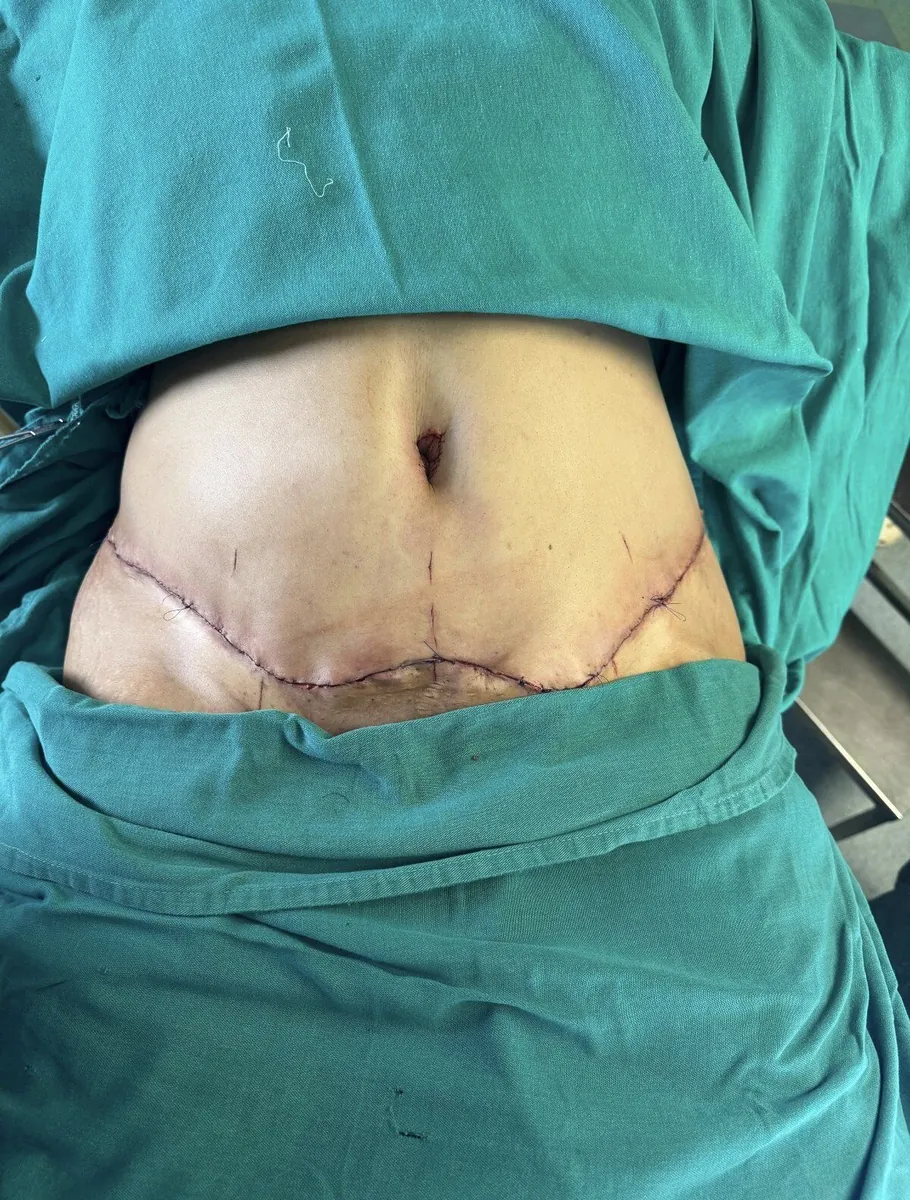
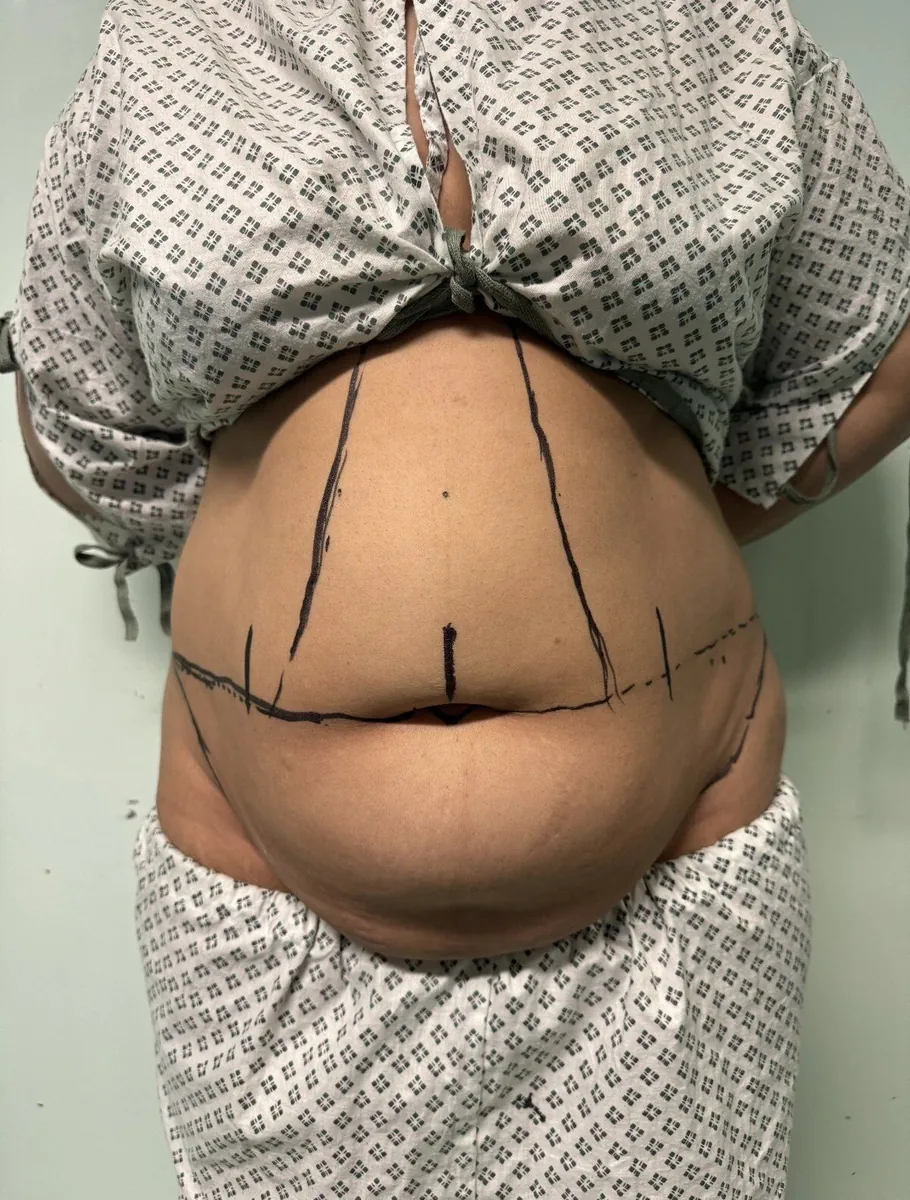 Before
After
Photos are shared with patient consent. Results vary from person to person. See more results
Benefits of Tummy Tuck
Flatter Abdomen
Loose, overhanging skin and fat below the navel are removed to give a smoother, flatter front.
Core Muscle Repair
Separated tummy muscles, common after pregnancy, can be stitched back together to firm the waist.
Low, Hidden Scar
The scar is planned to sit beneath your underwear and the waistband of your usual clothes.
Fewer Stretch Marks
Stretch marks on the skin that is taken away, usually below the navel, go with it.
Clothes Sit Better
Shalwar kameez, trousers and fitted outfits feel more comfortable without a fold of skin to hide.
Lasting Result
With a steady weight and no further pregnancies, the improvement lasts for many years.
Are you a good candidate?
A tummy tuck may suit you if:
- Your lower tummy has loose or overhanging skin that exercise cannot fix
- Your tummy muscles feel weak or separated after pregnancy
- You have lost a lot of weight and are left with a fold of skin
- Your weight has been stable for several months
- You have finished having children
- You do not smoke and are in good general health
- You accept that a long, low scar is part of the trade-off
If you are planning another pregnancy, Dr. Junaid will usually advise waiting, as pregnancy can stretch the skin and muscles again.
Recovery & aftercare
A tummy tuck is a bigger operation than liposuction, so recovery takes patience. A typical timeline:
- Week 1
Small drains may stay in for several days, and you wear an abdominal binder. Walking slightly bent at the waist protects the wound, and short walks help prevent clots.
- Weeks 2–3
Any remaining drains and stitches come out. You gradually stand straighter, and many people go back to desk work during this window.
- Weeks 4–6
Daily routines become easier. The binder is usually worn for around six weeks in total, and heavy lifting is still avoided.
- Months 2–3
Moderate exercise can resume once your wounds have healed well. Numbness around the scar slowly improves and the scar starts to flatten.
- Months 6–12
Strenuous exercise is back to normal. The scar keeps softening and fading over 12 to 18 months.
Healing differs from person to person. Arranging help at home with lifting, cooking and young children for the first two weeks makes a real difference.
Related articles
Tummy Tuck FAQs
What does a tummy tuck cost in Lahore?
The price depends on the type of tummy tuck, whether muscle repair or liposuction is included, the length of your hospital stay, anaesthesia and hospital charges. After examining you, Dr. Junaid gives you a personalised quote for the plan you agree on. The cost guide explains these factors in more detail.
How painful is tummy tuck recovery?
Expect tightness and soreness across the tummy for the first week or so, particularly if the muscles are repaired. Prescribed pain relief keeps most people comfortable, and getting up for short walks early on often helps. Discomfort eases steadily over two to three weeks.
How long do tummy tuck results last?
The skin that is removed does not come back, and repaired muscles stay firmer. Weight gain, a later pregnancy and normal ageing can still change the area over time, so a steady weight helps you keep the result for many years.
How much time off work should I plan?
Most people need about two to three weeks before returning to desk work, and longer for physical jobs. Heavy lifting is usually avoided for around six weeks. Dr. Junaid will give you a timeline based on your surgery and the work you do.
Can I have an online consultation from abroad?
Yes. Send photos of your tummy from the front and side on WhatsApp and book a video consultation. Dr. Junaid can tell you whether a mini, full or extended tummy tuck is likely and how long to stay in Pakistan for surgery and early follow-up. The final plan is confirmed when he examines you in person.
What is the difference between a mini and a full tummy tuck?
A mini tummy tuck treats only the skin below the navel through a shorter scar, and the navel stays where it is. A full tummy tuck treats the whole front of the abdomen, usually includes muscle repair, and brings the navel out through a new opening. Your examination, not preference alone, decides which one will work.
Where will the scar be, and can it include my C-section scar?
The scar runs low across the tummy, from hip to hip in a full tummy tuck, and is shaped to sit within your underwear line. If you have had a caesarean section, the old scar can often be removed during the operation, so you are left with one scar rather than two.
Can I still have children after a tummy tuck?
Yes. Having a tummy tuck will not stop you from becoming pregnant. A later pregnancy can, however, stretch the skin and separate the muscles again, which is why Dr. Junaid usually suggests waiting until your family is complete.
What are the risks or side effects of a tummy tuck?
Swelling, tightness and numbness around the scar are common and improve over the following months. Possible complications include fluid collecting under the skin, slow wound healing, infection, a wider scar than hoped and, rarely, blood clots. Not smoking, blood tests before surgery, wearing the binder and walking early all help reduce these risks. Dr. Junaid goes through them with you at consultation.
When will I see the final results of a tummy tuck?
Your tummy looks flatter straight after surgery, but swelling and tightness hide part of the change at first. Most swelling settles over the first few months, and the final shape is usually clear between six and twelve months. The scar keeps softening and fading over 12 to 18 months.
Roman Urdu mein maloomat (پیٹ کی ڈھیلی جلد کا آپریشن)
Tummy tuck (abdominoplasty) mein pait ke nichle hisse ki dheeli khaal aur zaid charbi nikali jati hai, aur aksar delivery ke baad alag hue pait ke muscles ko bhi jor diya jata hai. Dr. Junaid Fateh, FCPS plastic surgeon, Lahore mein mareez dekhte hain aur Lahore mein yeh operation karte hain. Mashware ke liye WhatsApp par rabta karein.
WhatsApp par mashwara book karein