Quick answer
Blepharoplasty, or eyelid surgery, removes loose upper eyelid skin and puffy under-eye fat so the eyes look more rested. In Lahore it is performed by FCPS plastic surgeon Dr. Junaid Fateh. It takes 1 to 2 hours as a day case under local anaesthetic with sedation, and most people return to work in 7 to 10 days. Results are long-lasting, typically 5 to 7 years. Cost depends on your plan and is confirmed after consultation.
Also known as: Eyelid surgery, Eye lift, Eyelid lift, Upper and lower blepharoplasty, Under-eye bag removal, Blepheroplasty, Palkon ki surgery, Aankhon ke papoton ka operation · آنکھوں کے پپوٹوں کی سرجری
About blepharoplasty
The skin of the eyelids is the thinnest on the body, so it is often one of the first places to show age. Upper lids can gather into heavy folds that rest on the lashes, while fat around the eye can push forward and form bags underneath. The result is a tired or even sad expression that does not match how you feel.
Blepharoplasty, or eyelid surgery, removes or repositions the excess skin, muscle and fat behind these changes. It can be done on the upper lids, the lower lids or both. For some people the benefit is mainly cosmetic. For others, heavy upper lids have started to narrow their view, and lifting them makes everyday tasks such as driving or reading easier.
Dr. Junaid Fateh performs eyelid surgery in Lahore as part of his facial plastic surgery work. Because the eyes are so central to expression, small and precise changes matter more here than almost anywhere else on the face.
How Dr. Junaid approaches eyelid surgery
At your consultation, Dr. Junaid looks closely at the whole upper face, not only the eyelids. He checks whether the heaviness comes from the eyelid skin, from a lowered brow, or from weakness of the muscle that opens the eye. That last condition, called ptosis, needs a different repair. He also asks about dry eyes, vision problems, thyroid conditions and any medicines that thin the blood.
His aim is fresh, open eyes that still look like yours. Taking away too much skin or fat can leave the eyes looking hollow or make them hard to close, so he plans conservatively and, where it suits you, repositions fat rather than simply removing it. Your natural crease, eye shape and family features are respected.
Measurements and photographs help him plan how much skin to remove from each side, since most people have some natural asymmetry. Every operation carries some risk, and eyelid surgery is no exception. Dr. Junaid explains the possible complications in plain language so you can make a fully informed decision.
Techniques and options
Depending on your eyes, Dr. Junaid may suggest:
- Upper blepharoplasty: Removes excess upper lid skin, and sometimes a little fat, through an incision hidden in the natural crease.
- Lower blepharoplasty (skin approach): An incision just below the lower lashes allows loose skin to be removed and fat to be adjusted for smoother under-eyes.
- Transconjunctival blepharoplasty: Under-eye fat is treated from inside the lower eyelid, leaving no visible scar on the skin. It suits people with puffiness but good skin tone.
- Fat repositioning: Instead of being removed, under-eye fat is moved into the hollow at the top of the cheek to soften the tear trough.
- Combined treatment: Eyelid surgery is often paired with a brow lift, a facelift or non-surgical treatments when more than one area needs attention.
- Asian (double eyelid) blepharoplasty: Creates or refines an upper eyelid crease while respecting the natural shape of the eye, using a small incision or a stitch technique depending on the lid.
What to expect on the day
Most eyelid surgery is a day case. The area is numbed with local anaesthetic and you are given sedation to help you relax. Surgery itself typically lasts between one and two hours. A family member should take you home the same day, as you should not drive, and you leave with cool compresses and clear aftercare instructions.
Before & after
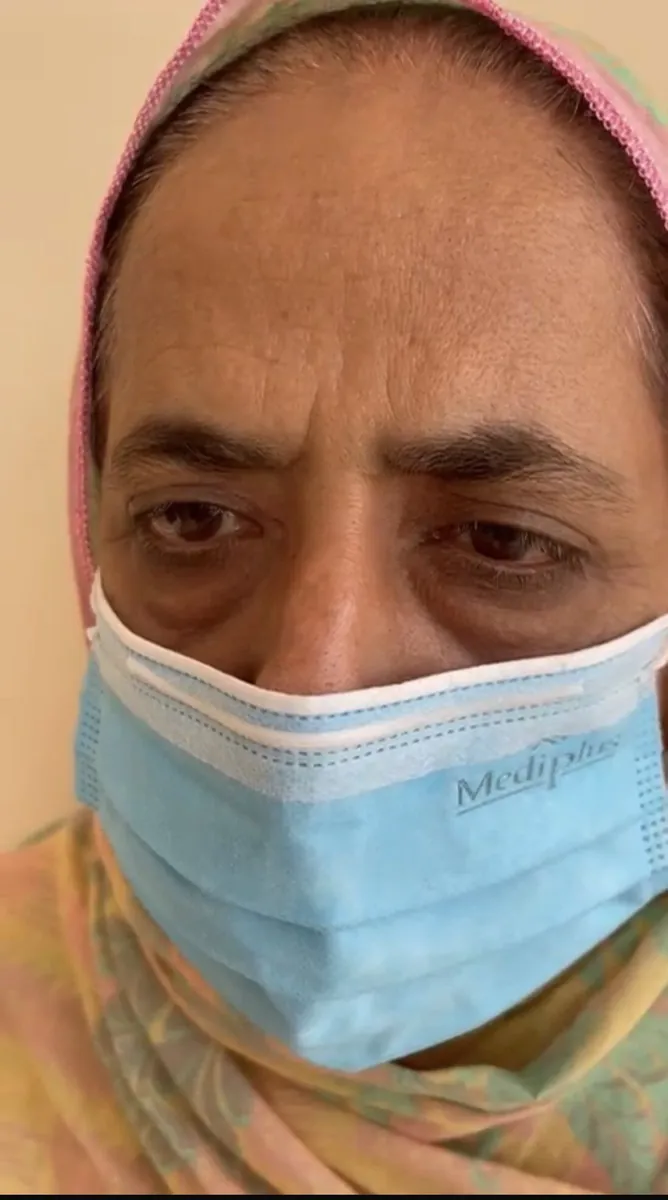
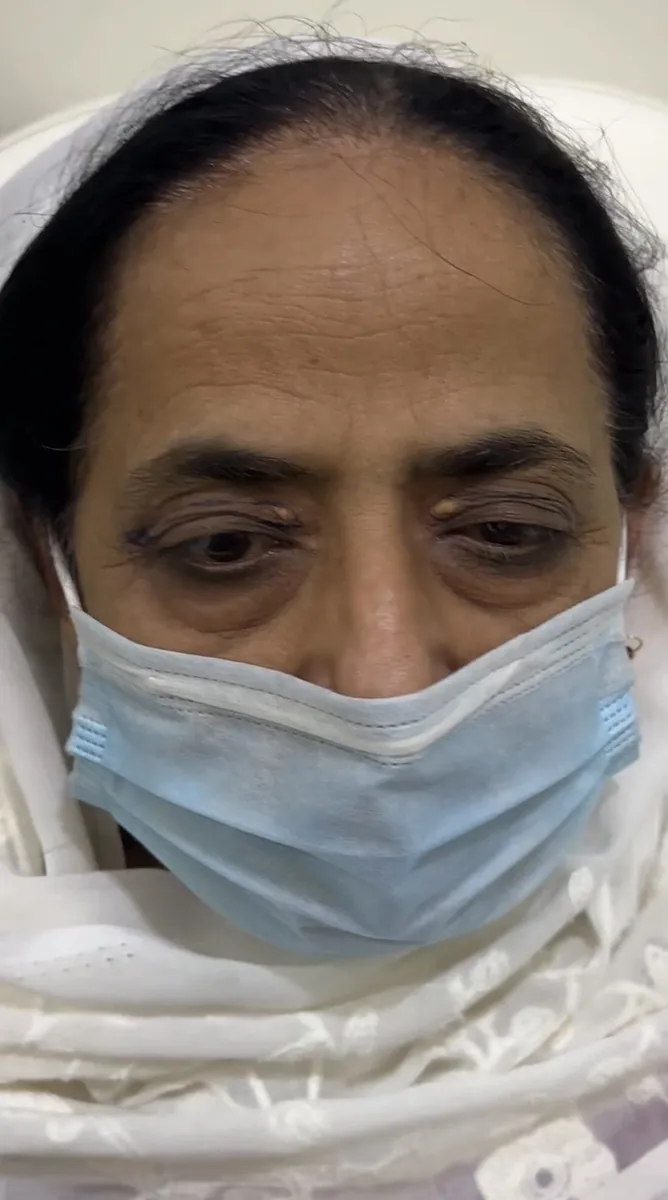 Before
After
Photos are shared with patient consent. Results vary from person to person. See more results
Benefits of Blepharoplasty
Less tired-looking eyes
Removing heavy skin and puffy fat helps your eyes look as awake as you actually feel.
A clearer field of view
When upper lid skin hangs over the lashes, lifting it can make it easier to see, especially to the sides.
Well-hidden scars
Upper lid incisions sit in the natural fold, and lower lid fat can often be reached from inside the eyelid.
Your own eye shape
Your natural crease and the shape of your eyes are respected rather than changed into a different look.
A short day-case procedure
Most eyelid surgery is done under local anaesthetic with sedation, and you go home the same day.
Lasting improvement
The change usually lasts for years, although the skin around your eyes keeps ageing naturally.
Are you a good candidate?
You might benefit from eyelid surgery if you:
- Have folds of loose skin on the upper eyelids that sit on or near your lashes
- Find that heavy upper lids make your eyes feel tired or get in the way of your vision
- Have under-eye bags that stay puffy however much you rest
- Are often told you look tired or unwell even after a good night’s sleep
- Have healthy eyes, without untreated dry eye, glaucoma or thyroid eye problems
- Are a non-smoker, or are willing to stop around the time of surgery
If your eyebrows have dropped, some of the heaviness may be coming from the brow rather than the eyelid. Dr. Junaid checks this carefully, because the right treatment depends on the cause.
Recovery & aftercare
Most people find recovery from eyelid surgery manageable. A typical timeline looks like this:
- Days 1–3
Your eyelids feel tight and look swollen and bruised. Cool compresses, a raised head and the prescribed drops or ointment help. Rest your eyes and keep screen time and reading short.
- Days 5–7
Stitches, if used, are usually removed. Bruising turns yellow and starts to fade.
- Days 7–10
Most people feel ready for work and social outings, perhaps with tinted glasses. Light walking is fine.
- Weeks 2–4
Eye makeup and contact lenses can usually return once Dr. Junaid is happy with healing. Gentle exercise resumes gradually.
- Months 2–3
Remaining swelling settles and the scars soften and fade into the natural crease.
Good sunglasses are worth having in Pakistan’s strong sun while your scars mature, and they protect sensitive eyes in the early weeks.
Blepharoplasty FAQs
How much does blepharoplasty cost in Lahore?
The cost depends on whether you need upper lids, lower lids or both, the technique used, the anaesthetic needed and whether another procedure such as a brow lift is planned alongside. Dr. Junaid gives a personalised quote after examining your eyes at consultation. You can read about the factors that shape surgical fees on the cost guide.
Does eyelid surgery hurt?
The eyelids are numbed with local anaesthetic and you are given sedation, so you feel pressure and movement rather than pain. Afterwards your eyes may feel sore, gritty or tight for a few days. Simple prescribed painkillers and cool compresses usually keep this comfortable.
How long do eyelid surgery results last?
The improvement is long-lasting. Removed fat does not grow back in the same way, so lower lid results tend to hold well, while upper lid skin can slowly loosen again as you age. Results vary between people, and some choose a small top-up many years later.
When can I go back to work after blepharoplasty?
Most people return to desk work after about seven to ten days, once bruising has faded enough to feel comfortable. Avoid heavy lifting, bending and strenuous exercise for around two weeks, and take regular breaks from screens at first.
Can upper and lower eyelids be done at the same time?
Yes. Treating all four lids in one session is common and means a single recovery period. Dr. Junaid will advise whether doing both together suits your eyes and health.
Will blepharoplasty remove crow's feet or dark circles?
Not on its own. Crow’s feet come from muscle movement and skin ageing at the outer corners, and dark circles can be caused by pigmentation, hollowing or thin skin. These often respond better to non-surgical treatments such as anti-wrinkle injections, fillers or peels, which can be combined with eyelid surgery.
What are the risks of eyelid surgery?
Like any surgery, blepharoplasty carries risks, including dry or irritated eyes, temporary blurred vision, difficulty closing the eyes fully for a while, asymmetry and scarring. Serious bleeding behind the eye is rare but needs urgent care. Dr. Junaid explains all of this at consultation and gives you clear warning signs to watch for.
Can I have an online consultation from abroad?
Yes. Start by sharing close-up photos of your eyes on WhatsApp, one looking straight ahead with your face relaxed and one with your eyes gently closed. A video consultation follows, where Dr. Junaid gives an early view on whether eyelid surgery would help. He confirms the plan after examining you face to face, and around a week in Pakistan after surgery covers stitch removal and review.
When will I see the final results of eyelid surgery?
Your eyes look brighter as soon as the early swelling eases, and most people feel ready to be seen in public after seven to ten days. The remaining swelling settles over two to three months, by which time the scars have softened into the natural crease and the final result is clear.
Roman Urdu mein maloomat (آنکھوں کے پپوٹوں کی سرجری)
Blepharoplasty, yaani eyelid surgery, mein upar ke papoton ki latki hui jild aur aankhon ke neeche ki phooli hui charbi ko theek kiya jata hai, jis se aankhein taaza aur khuli nazar aati hain. Dr. Junaid Fateh Lahore mein mareezon ko dekhte hain. Mashware ke liye WhatsApp par rabta karein.
WhatsApp par mashwara book karein