Quick answer
An eyebrow transplant moves fine hairs one by one from the back of the scalp into thin, over-plucked or scarred eyebrows. In Lahore it is performed by FCPS plastic surgeon Dr. Junaid Fateh. It takes 2 to 4 hours under local anaesthetic, with 5 to 7 days of recovery. New hair shows at 4 to 6 months, is usually permanent and needs regular trimming. Cost is confirmed after consultation.
Also known as: Eyebrow hair transplant, Eyebrow restoration, Brow transplant, FUE eyebrow transplant, Eye brow transplant, Eyebrow ke baal lagwana, Patli bhanwon ka ilaj · بھنووں کا ٹرانسپلانٹ
About eyebrow transplant
An eyebrow transplant uses the FUE method to take fine hairs, one by one, from the back or sides of the scalp and place them into the brows. It can fill thin or patchy brows, rebuild ones that have been over-plucked or threaded away over many years, or bring hair back to a scar from an old injury.
Because the hair is real and grows from your own follicles, it gives a softer, more natural look than pencil or microblading. It does need some upkeep. Scalp hair grows longer than brow hair, so the transplanted hairs usually need regular trimming, and some people use a little brow gel to keep them lying flat.
Women and men both ask for this procedure, often with different goals. Many women want a defined arch and a neat, shaped brow, while men usually prefer a straighter, fuller and less groomed look.
How Dr. Junaid approaches eyebrow transplant
Eyebrows are a small area, but they change the balance of the whole face, so planning takes time. Dr. Junaid Fateh looks at your face shape, brow bone and the position of your eyes, then draws the new brows on with you before surgery. You see the proposed shape in the mirror and it is adjusted until it looks right for you rather than for a passing trend.
Brow hairs lie almost flat against the skin and change direction along the brow. Those at the inner end point upwards, while those along the body and tail run outwards and slightly down. Dr. Junaid uses mostly single-hair grafts placed at very shallow angles to copy this pattern, which is the detail that makes a transplanted brow look natural.
He also checks why the brows are thin. Loss linked to thyroid problems, alopecia areata or certain skin conditions may need medical treatment first, and a transplant is not advised while such a condition is active. He goes through the risks with you at consultation, including swelling around the eyes, infection, ingrown hairs, uneven growth and hairs growing at an unwanted angle.
Techniques and options
Options Dr. Junaid may recommend include:
- Full brow reconstruction: rebuilding an entire eyebrow where very little hair remains.
- Density filling: adding hairs between existing ones to make thin brows look fuller.
- Shape and arch correction: extending the tail, filling a gap or adjusting the arch for better balance.
- Scar coverage: placing hair into scars from injury or earlier surgery, sometimes over two sessions.
- Brow design to suit you: a softer arched shape or a straighter, heavier brow, depending on your features and preference.
What to expect on the day
A small patch of hair at the back of the scalp is trimmed, usually where longer hair above it can cover the area. The brows and the donor site are numbed with local anaesthetic. Grafts are taken and then placed one at a time along the agreed design. The procedure usually takes 2–4 hours, and you go home the same day.
Before & after
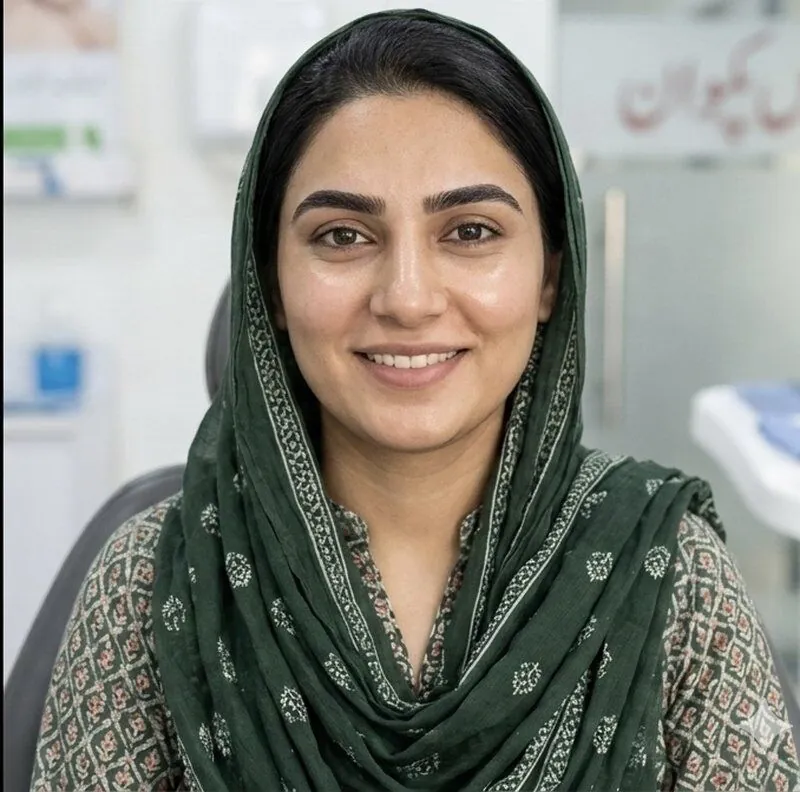
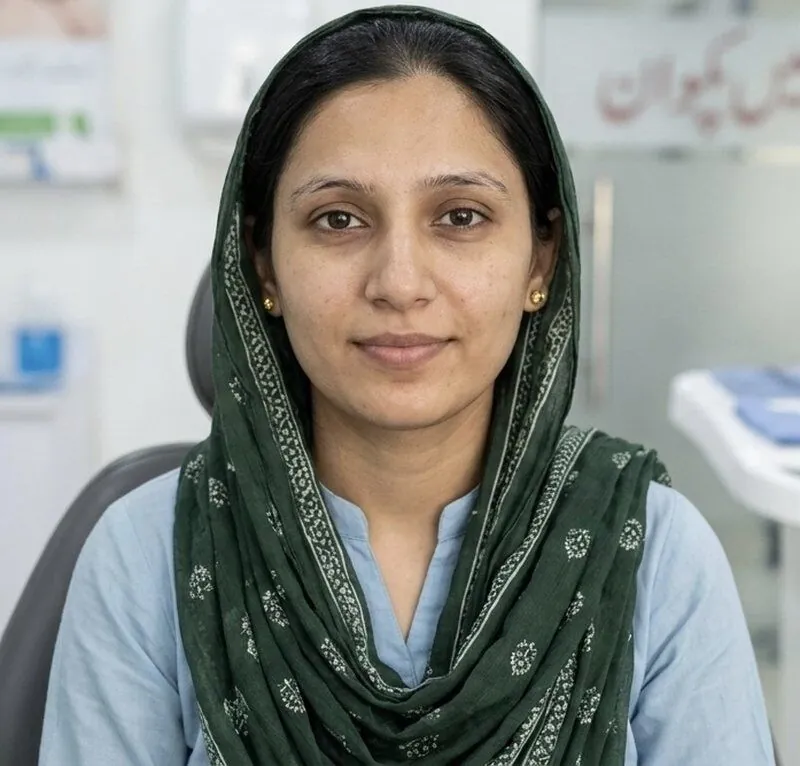 Before
After
Photos are shared with patient consent. Results vary from person to person. See more results
Benefits of Eyebrow Transplant
Soft, Natural Look
Real hair placed at shallow angles looks more natural than drawn-on or tattooed brows.
Shaped to Your Face
Your brow shape is drawn and agreed with you before a single graft is placed.
Your Own Hair
Grafts come from your scalp, so nothing artificial is placed in the skin.
Less Daily Makeup
Fuller brows can cut down the time you spend filling them in each morning.
Covers Brow Scars
Hair can be placed into scars where eyebrow hair no longer grows.
Quick Healing
Small crusts and mild swelling usually settle within about a week.
Are you a good candidate?
You may be a good candidate for an eyebrow transplant if you:
- Have thin brows after years of plucking or threading
- Have naturally sparse brows or gaps that have always been there
- Have a scar in the brow from an injury, accident or earlier surgery
- Would like to change the shape or extend the tail of your brows
- Want a long-term alternative to microblading or a brow tattoo
- Have enough healthy donor hair at the back of your scalp
- Are happy to trim your brows regularly once the hair grows
If your eyebrow loss is linked to a medical condition, Dr. Junaid will want it treated or stable first, and may suggest tests or a specialist opinion before surgery is considered.
Recovery & aftercare
The brows heal quickly, but the hair itself takes months to come through:
- Days 1–3
Tiny crusts form at each graft and there may be mild swelling, which can spread around the eyes. Avoid touching, rubbing or wetting the brows except as instructed.
- Days 4–7
Crusts begin to fall away and most people return to work. Keep makeup off the brows until the team says it is safe.
- Weeks 2–6
Most transplanted hairs shed, which is normal. The roots stay in place under the skin.
- Months 3–4
New hairs start to grow, fine at first, then gradually stronger.
- Months 8–12
The brows reach their full look. Regular trimming keeps them at a natural length.
Avoid threading, waxing or plucking near the grafts while they heal, and protect the area from strong sun.
What patients say
Lost my eyebrows in an accident. Dr. Junaid performed an eyebrow transplant that looks incredibly natural. His attention to detail is extraordinary.
Eyebrow Transplant FAQs
How much does an eyebrow transplant cost?
The price depends on whether one or both brows need rebuilding or simply filling, the number of grafts and whether scar tissue is involved. Dr. Junaid confirms a personalised quote at consultation, and the cost guide explains how fees are worked out.
Does an eyebrow transplant hurt?
Local anaesthetic is used on both the brows and the small donor patch. The injections sting briefly, after which most people feel only light pressure. Mild soreness and swelling for a couple of days is common.
How long do the results last?
Transplanted hairs come from the scalp donor area and usually go on growing for many years. Because they keep their scalp-like growth, they need trimming. Results vary between people, and a top-up session is sometimes needed for density.
How long until I can return to work?
Most people return to work within 5–7 days, once swelling settles and the crusts have mostly gone. If you are planning around a wedding or Eid, leave several months for the new hair to grow in as well.
Do transplanted eyebrows need trimming?
Yes. Scalp hair grows longer than brow hair, so most people trim every week or two with small scissors. Some hairs may slow down a little over time, but regular trimming is part of having transplanted brows.
Is an eyebrow transplant better than microblading?
They are different. Microblading places pigment in the skin that fades and needs touch-ups, while a transplant gives real hair that keeps growing but needs trimming. Dr. Junaid can help you decide which suits your brows, lifestyle and budget.
How many grafts does each brow take?
Filling small gaps may take relatively few grafts, while rebuilding a full brow usually needs a few hundred per side. The exact number depends on your existing hair and the shape you choose.
Can I have an online consultation from abroad?
Yes. Share makeup-free photos of your brows, front-on and from each side, on WhatsApp, then book a video call. Dr. Junaid can talk through shape and suitability, and the final brow design is drawn and confirmed in person when you meet.
What are the risks or side effects of an eyebrow transplant?
Mild swelling, which can spread around the eyes, small crusts, redness and soreness are common for the first few days. Less often there may be infection, ingrown hairs, uneven growth or hairs growing at an unwanted angle. Dr. Junaid reduces these risks by checking the cause of brow loss first, using single-hair grafts placed at shallow angles, working under sterile conditions and giving clear aftercare, and he goes through them with you at consultation.
When will I see the final results of an eyebrow transplant?
Most transplanted hairs shed in the first two to six weeks, which is normal. New hairs usually start to grow from about three to four months and are clearly visible at 4 to 6 months. The brows reach their full look at around 8 to 12 months. Results vary between people, and a top-up session is sometimes needed for density.
Roman Urdu mein maloomat (بھنووں کا ٹرانسپلانٹ)
Eyebrow transplant mein sar ke peeche se bareek baal ek ek kar ke le kar patli, kam ya zakhm ke nishan wali bhanwon mein lagaye jate hain. Yeh asli baal hote hain jo barhte rehte hain, is liye inhein waqtan fawaqtan trim karna parta hai. Dr. Junaid Fateh Lahore mein yeh procedure karte hain. Mashware ke liye WhatsApp par rabta karein.
WhatsApp par mashwara book karein