Quick answer
Skin cancer surgery removes cancers such as basal cell carcinoma, squamous cell carcinoma and melanoma with a margin of healthy skin, then closes the wound with stitches, a flap or a graft. FCPS plastic surgeon Dr. Junaid Fateh sees patients in Lahore. Surgery takes 1 to 4 hours under local or general anaesthesia, often as a day case, with 1 to 3 weeks of recovery. Cost is confirmed after consultation.
Also known as: Skin cancer removal, Skin cancer excision, Basal cell carcinoma (BCC) surgery, Squamous cell carcinoma (SCC) surgery, Melanoma excision, Jild ke cancer ka operation, Skin cancer ka ilaj · جلد کے کینسر کی سرجری
About Skin Cancer Surgery
Skin cancer begins when skin cells grow out of control, most often after years of sun exposure. The three main types are basal cell carcinoma, squamous cell carcinoma and melanoma. Basal cell carcinoma grows slowly and rarely spreads, but left alone it can damage the nose, eyelid or ear. Squamous cell carcinoma can spread if neglected, and melanoma, although less common, is the most serious type.
In Pakistan, strong sunshine and years of outdoor work in fields, on building sites or on the roads all add up. Skin cancer can also arise in old burn scars or wounds that have never fully healed. Spotting a suspicious lesion early usually means a smaller operation and a smaller scar.
Surgery is the main treatment for most skin cancers. Dr. Junaid Fateh, a plastic and reconstructive surgeon working in Lahore, removes the cancer with a safe margin of healthy skin and then closes the wound in a way that respects your appearance, which matters most on the face.
How Dr. Junaid approaches skin cancer surgery
At consultation, Dr. Junaid examines the lesion and the rest of your skin, asks how long it has been there and whether it has changed, and checks nearby lymph nodes where relevant. If the diagnosis is uncertain, a small biopsy may come first. He then explains the likely type of cancer, the margin needed and how the wound will be repaired, all in plain language.
His first priority is removing the cancer completely. His second is a repair that looks and works well. On the face, he plans incisions along natural creases and borrows nearby skin of a similar colour and texture so the repair blends in. Around the eyelids, nose and lips, he also protects how these features work, so the eye still closes and breathing stays comfortable.
Every piece of removed tissue is sent for histopathology, and Dr. Junaid goes through the report with you. If the edges are not clear, he explains the next step. For melanoma or more advanced cancers, he may refer you to an oncologist for staging or further treatment.
Like any surgery, skin cancer surgery has risks, and results vary between people. Dr. Junaid goes through the risks with you at consultation so you can decide with confidence.
Techniques and options
Options Dr. Junaid may recommend include:
- Excision biopsy: Removing a small suspicious lesion completely so the laboratory can confirm what it is.
- Wide local excision: Removing a confirmed cancer with a measured margin of healthy skin around it.
- Direct closure: Bringing the wound edges together in a neat line, often along a natural skin crease.
- Local flap reconstruction: Moving neighbouring skin into the wound for a close match in colour and texture, useful on the nose, cheek and eyelids.
- Skin graft: Covering a larger wound with skin taken from another area, such as in front of or behind the ear.
- Staged reconstruction: Removing the cancer first and completing the repair once the laboratory confirms clear margins.
- Sentinel lymph node biopsy: A staging test used for some melanomas, discussed with you if it is relevant.
- Mohs micrographic surgery: The cancer is removed in thin layers that are examined under the microscope during the procedure, continuing only where cancer remains. It saves as much healthy skin as possible and is used mainly for basal and squamous cell cancers on the face and other sensitive areas.
What to expect on the day
Most procedures are done under local anaesthetic, so you are awake but comfortable. The time needed depends on the size of the cancer and the type of repair. You go home with a dressing and written aftercare instructions. Larger repairs may need a general anaesthetic and a one-night stay.
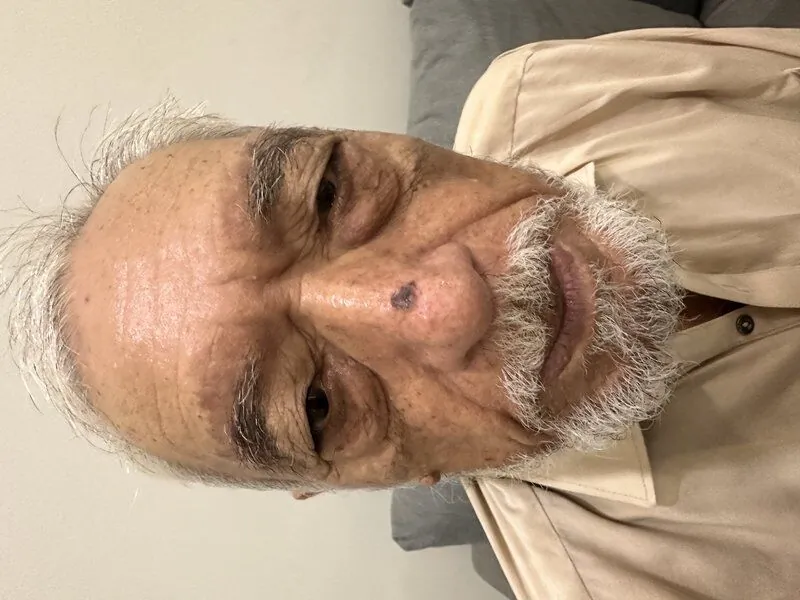
Before & after
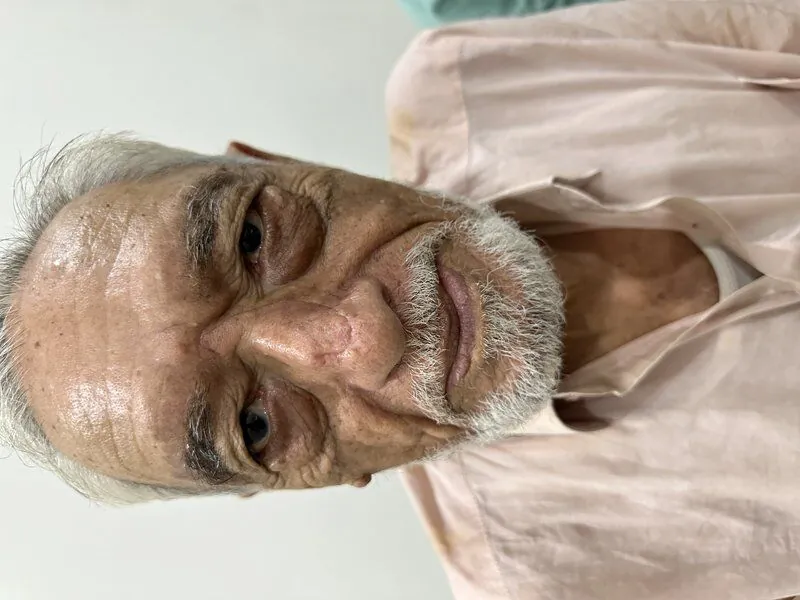
 Before
After
Photos are shared with patient consent. Results vary from person to person. See more results
Benefits of Skin Cancer Surgery
Clearance First
The cancer is removed with a margin of healthy skin around it, because complete removal is the main goal.
Laboratory Confirmation
Every specimen is sent for histopathology to confirm the diagnosis and check that the edges are clear.
Thoughtful Reconstruction
Wounds are closed with stitches, local flaps or grafts chosen to suit the area and keep scars discreet.
Face-Friendly Planning
On the nose, eyelids, lips and ears, the repair is planned to protect both appearance and function.
Mostly Day Case
Many skin cancers can be removed under local anaesthetic, so you go home the same day.
Ongoing Skin Checks
You leave with a follow-up plan and advice on spotting new or returning lesions early.
Are you a good candidate?
Skin cancer surgery may be advised if you have:
- A pearly or shiny bump, often on the face, that bleeds easily or will not heal
- A scaly, crusted or growing lump on sun-exposed skin
- A mole that has changed in size, shape or colour, or looks different from your other moles
- A biopsy result confirming skin cancer that now needs complete removal
- A sore in an old burn scar or long-standing wound that keeps breaking down
- A skin cancer that has come back after earlier treatment
Not every lump is cancer, but any spot that is new, changing or not healing deserves a proper look. If you are unsure, send a clear photo on WhatsApp and book an assessment.
Recovery & aftercare
Recovery depends on the size and site of the cancer and how the wound is closed:
- Day of surgery
Most people go home the same day with a dressing. Mild aching is eased with simple painkillers.
- First week
Keep the dressing clean and dry. Swelling and bruising are common, especially around the eyes after surgery on the face.
- Days 5 to 14
Stitches are removed, usually sooner on the face and later on the back or legs.
- Weeks 2 to 3
Dr. Junaid explains the histopathology report and whether anything further is needed. Most people are back to their usual routine, even after a flap or graft.
- Months 1 to 12
The scar matures and fades. Daily sun protection and regular skin checks become part of your routine.
If the report shows that the cancer reached the edge of the removed skin, a further small operation may be needed. Dr. Junaid will explain this clearly if it applies to you.
Skin Cancer Surgery FAQs
How do I know if a spot might be skin cancer?
Watch for a spot that bleeds, crusts or has not healed within a few weeks, a lump that keeps growing, or a mole that is uneven in shape or colour, has a ragged border, is larger than a pencil eraser or is changing. None of these signs proves cancer, but each one is a reason to have the spot examined.
Can people with brown skin get skin cancer?
Yes, although it is less common than in very fair skin. Outdoor workers and people with fairer skin are at higher risk. In darker skin, skin cancer can also appear in places that see little sun, such as the soles, palms and nails, and in old burn scars or chronic wounds.
Will skin cancer surgery leave a scar?
Any surgery leaves a scar, but careful planning keeps it as discreet as possible. Incisions follow natural skin lines, and nearby skin or a graft is used when a wound cannot simply be stitched. Scars usually fade over 6 to 12 months. Like any surgery, there are risks such as bleeding, infection, wound opening and, occasionally, the cancer returning. Dr. Junaid goes through these with you at consultation.
Is the procedure painful?
Most skin cancers are removed under local anaesthetic. You feel a brief sting as it is injected, then the area goes numb and you feel only pressure. Afterwards, mild aching for a day or two is common and usually settles with simple painkillers.
How much time off work will I need?
After a simple excision, many people return to desk work within a day or two but avoid heavy lifting and strenuous exercise for one to two weeks. After a flap or graft on the face, you may prefer one to two weeks off while bruising settles, and up to three weeks for larger repairs.
Will the cancer come back after surgery?
Once a basal or squamous cell cancer has been removed with clear margins, it usually does not return in the same place. Having one skin cancer does raise the chance of another elsewhere, and melanoma needs closer follow-up and sometimes further staging or treatment with an oncologist. Regular skin checks and sun protection are the best way to protect your result.
How much does skin cancer surgery cost in Lahore?
The cost depends on the size, number and location of the lesions, the type of reconstruction needed, the anaesthetic, and histopathology fees. Dr. Junaid will give you a personalised quote after your consultation. For a general guide to what affects pricing, see the cost guide.
Can I have an online consultation from abroad?
Yes. Send clear photos of the spot and any biopsy or pathology reports on WhatsApp, then book a video consultation. A photo cannot confirm a diagnosis, but Dr. Junaid can advise on how urgently you should be seen. The final plan is confirmed after he examines you in person in Lahore.
What is Mohs surgery and do I need it?
Mohs micrographic surgery removes a skin cancer layer by layer, checking each layer under the microscope during the procedure until the margins are clear. It is especially useful for basal and squamous cell cancers on the face, ears and eyelids where saving healthy skin matters. Dr. Junaid will advise whether Mohs or standard excision is the better option for your lesion.
What are the risks or side effects of skin cancer surgery?
Common effects are bruising, swelling and a scar. Less often there is bleeding, infection, the wound opening, numbness near the scar, or a flap or graft that heals slowly. Sometimes the report shows that the cancer reached the edge of the removed skin, and a further small operation is needed. Risks are reduced by careful planning, sending every specimen for histopathology, good wound care and not smoking. Dr. Junaid goes through these with you at consultation.
Roman Urdu mein maloomat (جلد کے کینسر کی سرجری)
Skin cancer surgery mein jild ka cancer, jaise BCC ya SCC, aas paas ki sehatmand jild ke kuch hisse ke sath nikala jata hai aur zakhm ko is tarah band kiya jata hai ke nishan kam nazar aaye. Dr. Junaid Fateh Lahore mein mareezon ko dekhte hain. Agar koi daana ya zakhm theek nahin ho raha, to mashware ke liye WhatsApp par rabta karein.
WhatsApp par mashwara book karein