Quick answer
Skin whitening and brightening is a medically supervised plan of skincare, peels, laser toning and skin boosters that fades dark patches, melasma and uneven tone. It does not change your natural skin colour. FCPS plastic surgeon Dr. Junaid Fateh offers it to patients in Lahore. Sessions take 30 to 60 minutes with minimal downtime, and results build gradually over a series. Cost depends on your plan and is confirmed after consultation.
Also known as: Skin brightening treatment, Skin whitening treatment, Pigmentation treatment, Melasma treatment, Chehre ki chhaiyan ka ilaj, Daag dhabbe ka ilaj, Rang nikharne ka ilaj · جلد نکھارنے کا علاج
About Skin Whitening & Brightening
Many people searching for skin whitening are really looking for something more specific: fading dark patches, evening out blotchy tone, clearing the marks left by acne, or bringing back the brightness that sun, stress and pollution have dulled. These are common concerns in South Asian skin, which produces pigment readily in response to sun, heat and inflammation. That is also why pigmentation often flares during the long Pakistani summer.
Dr. Junaid Fateh offers skin brightening treatment at his clinic in Lahore with a clear and responsible aim: a healthier, more even complexion in your own natural tone. Your underlying skin colour is set by your genes, and no safe treatment changes it dramatically. What treatment can do is reduce excess pigmentation, improve texture and help your skin look clearer and more radiant.
This is also an area where unsafe products are common. Unregulated whitening creams can contain strong steroids or mercury, which may thin the skin, trigger acne or cause more serious harm. Medically supervised treatment is a safer route.
How Dr. Junaid approaches skin brightening
Treatment starts with a diagnosis. Melasma, sun spots, post-acne marks and dark patches from friction or medical conditions can look alike but behave very differently. Dr. Junaid examines your skin, asks about triggers such as sun exposure, hormones and the products you have used, and checks whether anything needs medical investigation first.
He then builds a plan around your skin rather than a fixed package. In most cases this begins with a prescribed home routine and strict sun protection, with clinic treatments added gradually. He is cautious with aggressive treatments, because over-treating brown skin can trigger the very pigmentation you are trying to fade. Progress is reviewed regularly, and he will be honest about how much improvement is realistic for your type of pigmentation. If a treatment is not suiting your skin, he will change course rather than simply repeat it.
Techniques and options
- Medical skincare programme: Prescribed creams and serums that reduce pigment production, used with careful guidance and regular review.
- Chemical peels: Peels selected for pigmentation and uneven tone, built up gradually over a series.
- Laser toning: Gentle, low-energy laser sessions that can help some types of pigmentation when used cautiously.
- Skin boosters and mesotherapy: Fine injections of hydrating and brightening ingredients to improve skin quality and glow.
- Microneedling and HydraFacial: Supporting treatments for texture and radiance, used as part of a wider plan where suitable.
- Sun protection: Daily broad-spectrum sunscreen and shade in strong sun, the single most important step for keeping results.
- Glutathione IV therapy: Glutathione is given as a drip or injection as part of some brightening programmes. Evidence for skin lightening is limited and results vary, so Dr. Junaid explains the expected benefit, the possible side effects and the medical checks needed before you start.
What to expect on the day
Your first visit is mainly an assessment. Dr. Junaid examines your skin in good light, asks about your routine and the products you have used, and takes photos so progress can be compared fairly later. You leave with a home plan and, if suitable, a schedule of clinic treatments. Later sessions usually take 30 to 60 minutes and fit easily around work.
Before & after
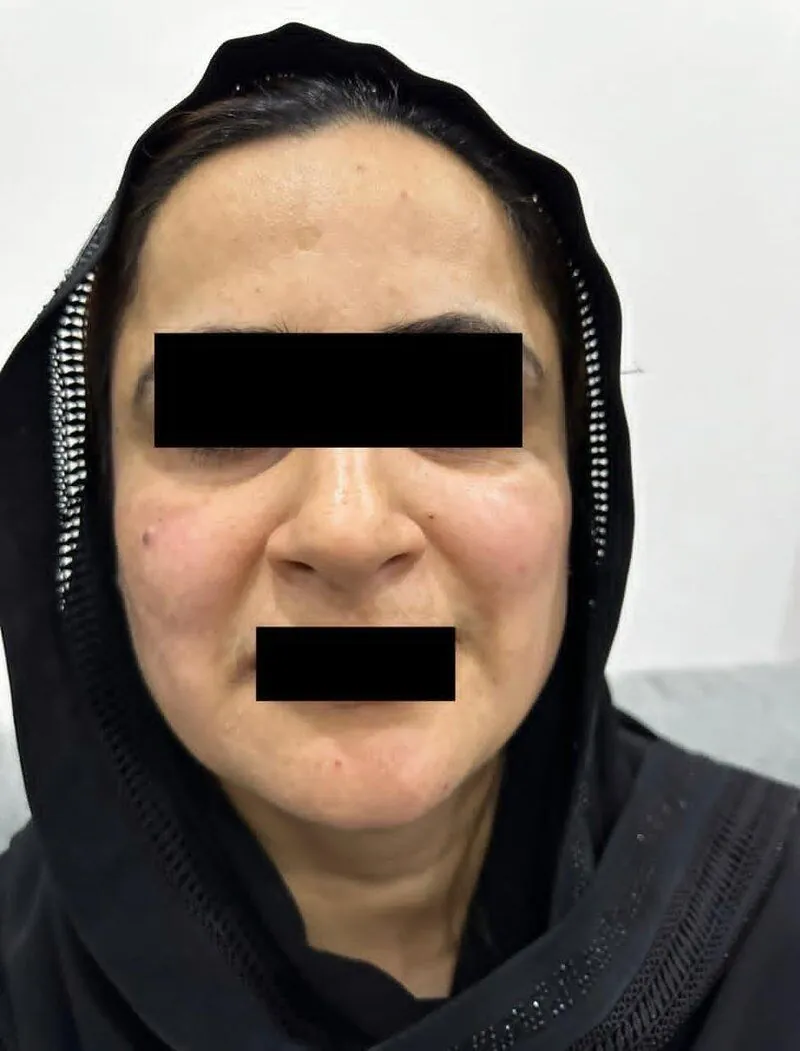
 Before
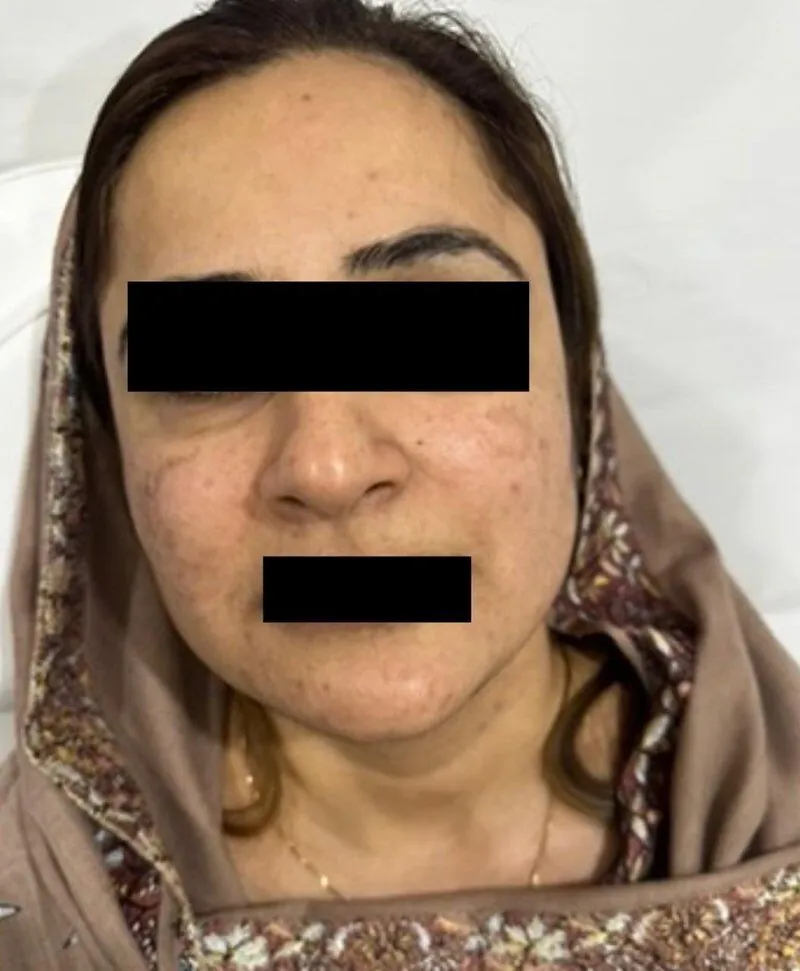
After
Photos are shared with patient consent. Results vary from person to person. See more results
Benefits of Skin Whitening & Brightening
More Even Tone
Treatment targets dark patches and spots so your complexion looks more uniform.
Natural Brightness
Clearer, well-cared-for skin tends to look fresher and more radiant.
Diagnosis First
Your pigmentation is assessed so treatment is aimed at its cause, not just the surface.
Medically Supervised
Treatments and creams are used under a doctor’s guidance, avoiding unregulated products.
Respect for Your Skin
The aim is healthy, even skin in your own natural tone, not a dramatic change of colour.
Plan for the Long Term
Sun protection and simple home care are built in to help results last.
Are you a good candidate?
Skin brightening treatment may suit you if you:
- Have dark patches, sun spots or melasma on the face
- Have marks left behind after acne, insect bites or minor injuries
- Feel your skin looks dull, tired or uneven
- Have darker skin on the neck, underarms or elbows that you would like assessed
- Are ready to use sunscreen every day and follow a home skincare routine
- Understand that improvement is gradual and that your natural skin tone will not change dramatically
Some treatments are not suitable during pregnancy or breastfeeding. Darkening of the neck or underarms can sometimes be linked to conditions such as insulin resistance, so Dr. Junaid may suggest a medical check alongside skin treatment.
Recovery & aftercare
Recovery depends on which treatments are part of your plan, but most involve little or no downtime.
- Peels
Mild redness and flaking for a few days. Avoid direct sun and use only the products recommended.
- Laser toning
Pinkness for a few hours to a day. Some spots may look darker for a short time before they fade.
- Skin boosters and mesotherapy
Small bumps or pinpoint marks at the injection sites settle within one to two days.
- Throughout your plan
Daily broad-spectrum sunscreen, reapplied when you are outdoors, is essential, along with a hat or shade in strong sun.
- Maintenance
Pigmentation, especially melasma, can return with sun, heat or hormonal changes, so occasional top-up treatments and steady home care help keep results.
Results build over several sessions and vary between people. The clinical team reviews your progress and adjusts the plan as your skin responds.
Skin Whitening & Brightening FAQs
How much does skin brightening cost in Lahore?
The cost depends on the cause and extent of your pigmentation, which treatments are combined and how many sessions you need. Dr. Junaid gives you a personalised quote after your consultation, and the cost guide explains what affects the price.
Are skin brightening treatments painful?
Most are comfortable. Peels may tingle, laser toning feels like light snapping on the skin, and skin booster injections are done after numbing cream. The team will explain how each step feels before you start.
How long do results last?
With daily sun protection and a good home routine, improvement can last a long time. Pigmentation can come back, particularly melasma, so most people need occasional maintenance. Results vary between people.
Will I need time off work?
Usually not. Most treatments let you go back to work the same day or the next, with mild redness at most.
Can I have an online consultation from abroad?
Yes. Send make-up-free photos of your skin in daylight on WhatsApp, along with the products you currently use, and the team will book a video consultation with Dr. Junaid. Your treatment plan is confirmed in person at the clinic.
Will this change my natural skin colour?
No, and that is not the aim. Your natural skin tone is set by your genes. Treatment focuses on fading excess pigmentation, evening out patches and improving skin health, so your own complexion looks clearer and brighter.
Are over-the-counter whitening creams and injections safe?
Be cautious. Some unregulated or unlabelled whitening creams have been found to contain strong steroids or mercury, which can damage the skin and affect your health. Dr. Junaid recommends only treatments and products used under medical supervision, and will discuss what the evidence does and does not support.
Can melasma be cured?
Melasma can usually be improved and controlled, but it tends to return, especially with sun, heat and hormonal changes. A long-term plan with sun protection and maintenance treatment gives the best chance of keeping it under control.
Do you offer glutathione injections or drips?
Yes, glutathione IV therapy is available as part of a supervised brightening plan. It is not approved specifically for skin lightening and results vary from person to person, so Dr. Junaid reviews your health, explains the possible side effects and combines it with sun protection and proven skincare for the best chance of a visible improvement.
What are the risks or side effects of skin whitening treatment?
Side effects depend on the treatments in your plan. Peels can cause redness, flaking and, if the skin becomes irritated, temporary dark marks. Laser toning can leave pinkness for a few hours and may make some spots look darker for a short time before they fade. Skin booster injections can leave small bumps or pinpoint marks for a day or two. Glutathione drips are not approved for skin lightening and can cause side effects such as allergic reactions, so Dr. Junaid reviews your health first and keeps every step under medical supervision.
Roman Urdu mein maloomat (جلد نکھارنے کا علاج)
Is treatment mein chehre ki chhaiyan, daag dhabbe aur na-hamwar rangat ko doctor ki nigrani mein skincare, peels aur laser toning se kam kiya jata hai. Yeh aap ka qudrati rang nahi badalta, balke jild ko saaf aur nikhri hui banata hai. Dr. Junaid Fateh Lahore mein mareezon ko yeh treatment dete hain. Mashware ke liye WhatsApp par rabta karein.
WhatsApp par mashwara book karein