Quick answer
Breast reconstruction rebuilds the shape of a breast after mastectomy or lumpectomy, using implants, your own tissue or both. Dr. Junaid Fateh, an FCPS plastic surgeon trained at Jinnah Burn & Reconstructive Surgery Centre, sees patients in Lahore. Surgery takes 3 to 8 hours under general anaesthesia, with 2 to 5 days in hospital and 4 to 6 weeks of recovery. Cost depends on your plan and is confirmed after consultation.
Also known as: Post-mastectomy breast reconstruction, Reconstructive breast surgery, Breast rebuilding surgery, Flap breast reconstruction, Implant breast reconstruction, Chhati ki dobara tameer, Cancer ke baad chhati ki surgery · چھاتی کی تعمیرِ نو
About Breast Reconstruction
Breast reconstruction rebuilds the shape of a breast after a mastectomy or lumpectomy, or when a breast has not developed normally from birth. It can be carried out at the same time as cancer surgery or months, even years, afterwards.
For many women, reconstruction is part of feeling whole again after a very difficult time. For others it is not a priority, and that is just as valid. What matters is that you understand your options and make the choice that is right for you and your family.
Dr. Junaid Fateh completed his plastic surgery training at the Jinnah Burn & Reconstructive Surgery Centre in Lahore, and reconstructive surgery is a core part of his work. He aims to give you a breast that looks balanced in clothes and feels like part of your body, while being honest that a reconstructed breast will not be identical to the original.
How Dr. Junaid approaches breast reconstruction
Your first consultation is unhurried. Dr. Junaid asks about your diagnosis and treatment plan, especially whether radiotherapy has been given or is planned, because it affects which method is safest and when it should be done. He examines your chest and, if a tissue flap might be used, your tummy or back. Your general health, weight and smoking history also shape the plan.
Reconstruction is usually planned in stages: building the breast mound first, then refining its shape, matching the other side and finally recreating the nipple. Each stage is explained before you agree to it, and you can pause between stages if you need to.
Like any major surgery, reconstruction carries risks. These include infection, wound healing problems, implant complications such as hardening or the need for replacement, partial or, rarely, complete loss of a tissue flap, and weakness or a bulge at the donor site. Dr. Junaid goes through the risks of your chosen method in detail.
Techniques and options
Depending on your treatment and your body, options Dr. Junaid may recommend include:
- Tissue expander then implant: a temporary expander gently stretches the skin over several weeks or months before a permanent implant is placed.
- Direct-to-implant reconstruction: for selected women at the time of mastectomy, a permanent implant is placed in a single stage.
- Latissimus dorsi flap: skin and muscle from the back are moved round to the chest, often together with an implant.
- Abdominal tissue flaps (TRAM or DIEP): skin and fat from the lower tummy are used to build a soft, natural breast. A DIEP flap spares the tummy muscle and requires microsurgery.
- Fat grafting: your own fat is used to fill dents after a lumpectomy or to refine an earlier reconstruction.
- Symmetry surgery and nipple reconstruction: the other breast can be lifted or reduced to match, and a nipple and areola recreated with local tissue and medical tattooing.
Before & after
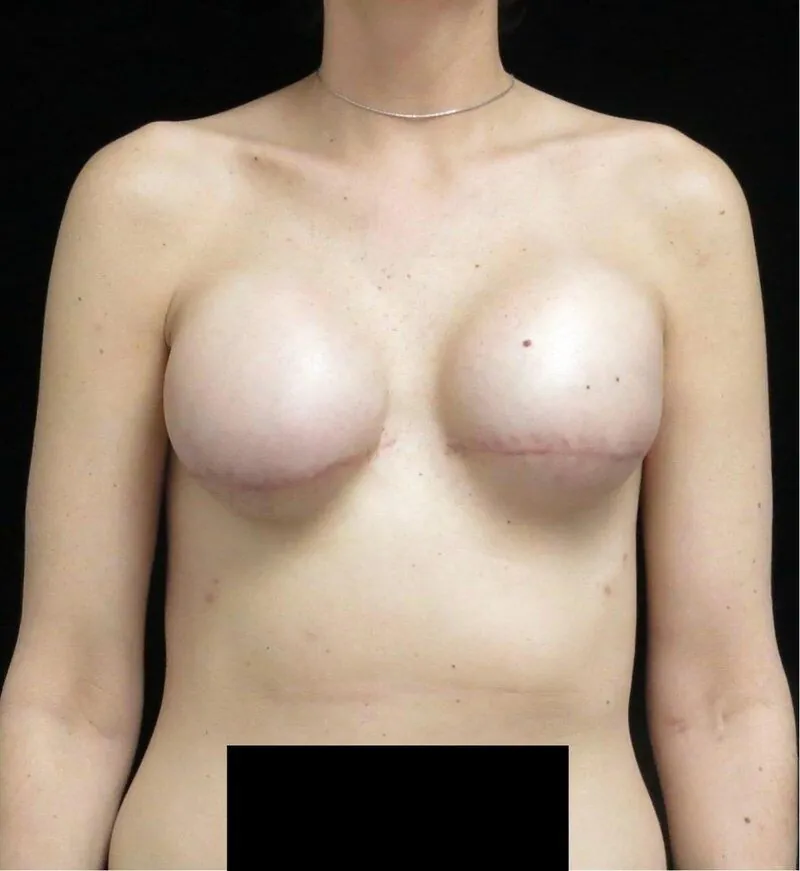
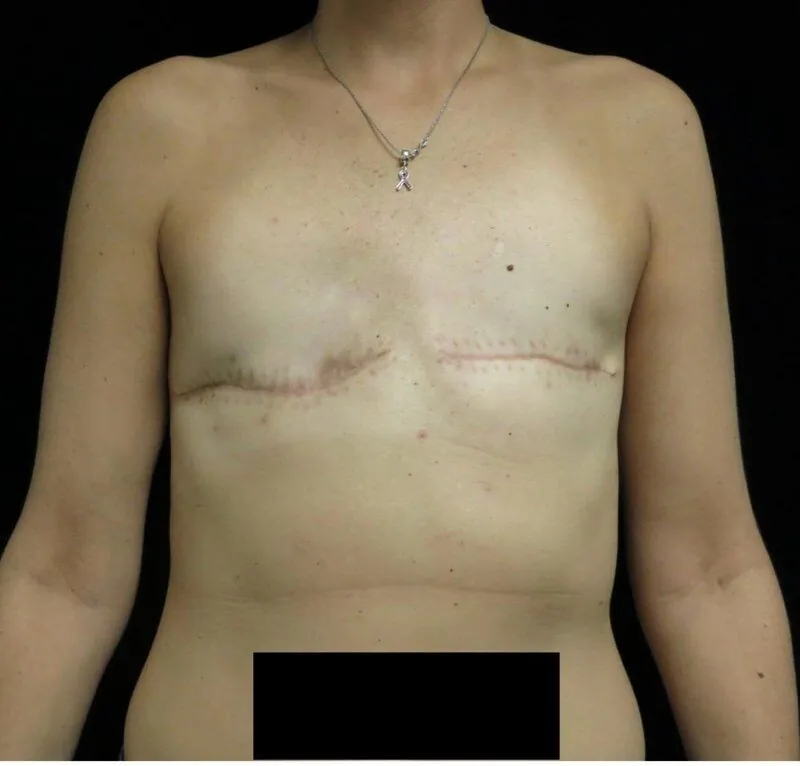 Before
After
Photos are shared with patient consent. Results vary from person to person. See more results
Benefits of Breast Reconstruction
A Restored Outline
Reconstruction recreates a breast mound so you look balanced in everyday clothes.
Choices That Suit You
Implants, your own tissue or a mix of both can be used, depending on your body and your treatment.
Flexible Timing
Surgery can take place alongside your mastectomy or months to years later, whenever you feel ready.
Matching Both Sides
The other breast can be lifted, reduced or enlarged so that the two sides look more alike.
Finishing Touches
A nipple and areola can be recreated in a smaller, later procedure to complete the result.
Less Reliance on Breast Forms
Many women find daily life simpler without a removable prosthesis in their bra.
Are you a good candidate?
Breast reconstruction may be an option if you:
- Are planning a mastectomy and would like to discuss reconstruction beforehand
- Had a mastectomy in the past and now feel ready to look at reconstruction
- Have a noticeable dent or change in shape after a lumpectomy or radiotherapy
- Were born with an underdeveloped breast or chest wall, as in Poland syndrome
- Are well enough for surgery and your cancer treatment plan allows it
- Are a non-smoker or ready to quit, since smoking slows healing
Choosing not to have reconstruction is an equally valid decision. Dr. Junaid will explain every option, including external breast forms, without any pressure.
Recovery & aftercare
Recovery depends greatly on the type of reconstruction, so your own plan may look quite different from this outline:
- In hospital
Implant reconstruction usually needs a shorter stay, while tissue flap surgery often means several days in hospital so the new tissue can be monitored closely.
- Weeks 1–2
Drains may stay in for some days. You rest at home, walk short distances and keep arm movements gentle as advised.
- Weeks 2–6
Light activity returns gradually. Implant reconstruction often settles within 2 to 4 weeks, while flap surgery commonly needs 4 to 6 weeks or more, including healing at the donor site.
- Months 1–6
If a tissue expander was placed, it is filled step by step at clinic visits before being exchanged for a permanent implant. Gentle exercises can help shoulder movement.
- Months 6–12
The shape continues to settle. Further stages, such as nipple reconstruction or symmetry adjustments, are usually planned once healing is complete.
Reconstruction is often a series of operations rather than a single one. Dr. Junaid will map out each stage with you so you always know what comes next.
Breast Reconstruction FAQs
How much does breast reconstruction cost in Lahore?
The cost varies with the method, the number of stages, whether an expander or implant is needed, the hospital stay and any surgery on the other breast for symmetry. After assessing you, Dr. Junaid provides a personalised quote, and the cost guide outlines the main factors.
When is the right time for breast reconstruction?
It can be done at the same time as the mastectomy (immediate) or later (delayed). Radiotherapy, your overall health and your own wishes all influence the timing, and Dr. Junaid will help you decide what is safest for you.
Is breast reconstruction painful?
You are under general anaesthesia during surgery. Afterwards there is soreness at the chest and, with flap surgery, at the donor site too. Pain relief is given regularly in hospital and continued at home, and discomfort eases over the following weeks.
How long do the results last?
A reconstruction made from your own tissue is long-lasting and changes naturally with your weight and age. Implants are not lifetime devices and may need replacing at some point. Results vary between women, and Dr. Junaid will explain what to expect with your chosen method.
When can I return to work?
After implant reconstruction many women need 2 to 4 weeks away from work, while flap surgery usually needs 4 to 6 weeks or longer. Your recovery also depends on any ongoing cancer treatment, so Dr. Junaid will plan this with you individually.
Will the reconstructed breast have feeling?
Sensation is usually much reduced after mastectomy and reconstruction. Some feeling may return slowly over months or years, but it is rarely the same as before, so it is important to protect the area from heat and injury.
Does reconstruction affect cancer follow-up?
Breast reconstruction is not known to increase the chance of cancer returning, and your usual cancer follow-up continues afterwards. Let everyone involved in your care know about your reconstruction before any scans or examinations.
Can I have an online consultation from abroad?
Yes. Share photos and a summary of your treatment through WhatsApp, then arrange a video consultation to talk through possible options and timing. Any final plan is confirmed only after Dr. Junaid examines you in person.
What are the risks or side effects of breast reconstruction?
As with any major surgery, there can be bleeding, infection and problems with wound healing. Implant reconstruction can lead to hardening around the implant or the need for replacement later. With tissue flaps there is a risk of partial or, rarely, complete loss of the flap, and of weakness or a bulge at the donor site. Smoking and radiotherapy can raise some of these risks. Dr. Junaid reduces them by choosing the method that is safest for your treatment plan and by monitoring flap surgery closely in hospital.
When will I see the final results of breast reconstruction?
Reconstruction is usually done in stages, so the final result takes time. If a tissue expander is used, it is filled over several weeks or months before the permanent implant is placed. The shape keeps settling for 6 to 12 months, and finishing steps such as nipple reconstruction or symmetry surgery on the other breast are planned once healing is complete.
Roman Urdu mein maloomat (چھاتی کی تعمیرِ نو)
Breast reconstruction mein mastectomy ya cancer ke operation ke baad chhati ki shape implant, jism ke apne tissue ya dono ke zariye dobara banayi jati hai. Dr. Junaid Fateh, FCPS plastic surgeon, Lahore mein mareezon ko dekhte hain aur har marhale ko aaram se aur tafseel se samjhate hain. Mashware ke liye WhatsApp par rabta karein.
WhatsApp par mashwara book karein