Hair Transplant & Restoration
Natural hairlines planned by a plastic surgeon, from first consultation to final growth
Quick answer
A hair transplant moves your own follicles from the back and sides of the scalp, where hair is usually resistant to balding, to thinning or bald areas. FCPS plastic surgeon Dr. Junaid Fateh offers FUE, FUT, beard and eyebrow transplants and PRP hair therapy in Lahore,. Most transplants are day cases under local anaesthetic, with desk work after about a week. Cost is confirmed after consultation.
Also known as: Hair restoration, Hair transplantation, Hair transplant surgery, Hair implant, Baal lagwana, Ganjapan ka ilaj, Hair transplant ka tarika, Ganje sar par baal lagwana · بال لگوانا
Losing hair can change how you feel about photographs, weddings and even everyday meetings. Dr. Junaid Fateh is an FCPS-qualified plastic surgeon, trained at Jinnah Burn & Reconstructive Surgery Centre in Lahore, and hair restoration sits at the heart of his practice. He sees patients in Shadman, Lahore, and offers video consultations if you live abroad or in another city.
His approach is simple: find out why your hair is thinning, use your limited donor hair wisely, and design a result that will still look natural years from now.
Why hair loss happens
The most common cause in men is androgenetic alopecia, better known as male pattern baldness. It runs in families. Follicles on the front and top of the head are sensitive to DHT, a hormone made from testosterone, and gradually shrink until they produce only fine, short hairs or none at all. Hair at the back and sides is usually resistant, and that is what makes a transplant possible.
Women can have a similar inherited pattern, usually seen as a widening parting rather than a receding hairline. Other causes include heavy shedding a few months after a high fever such as dengue or typhoid, stress, childbirth, crash dieting, low iron, thyroid problems, tight hairstyles and the patchy loss of alopecia areata. Many of these are temporary or treatable without surgery, which is why a proper diagnosis comes before any talk of grafts.
The Norwood scale in plain words
Doctors describe male hair loss using the Norwood scale, which runs from stage 1 to stage 7:
- Stages 1–2: little or no loss, perhaps a slight rise at the temples.
- Stage 3: the temples recede into a clear M shape, sometimes with early thinning on the crown.
- Stages 4–5: the front and crown thin further, with a band of hair still separating them.
- Stages 6–7: that band has gone, leaving hair mainly in a horseshoe around the sides and back.
Your stage helps Dr. Junaid judge how many grafts you may need and whether your donor area can cover it. The graft estimator on this page gives a rough starting figure, and the real number is set at consultation.
FUE or FUT?
Both methods move the same thing: natural groups of one to four hairs called follicular units. FUE takes them out one at a time, leaving tiny dot marks that are usually hard to see once your hair grows back, and suits people who keep their hair short. FUT removes a thin strip of scalp that is divided into grafts, leaving a fine line hidden under hair of moderate length, and can provide a large number of grafts in a single session. Dr. Junaid recommends one, or occasionally both, based on your scalp, the extent of your loss and your preferred hairstyle. FUE itself can be carried out in different ways, including Sapphire FUE, DHI and robotic FUE, and he will explain which suits your hair.
Who is a good candidate?
You are likely to be suitable if your hair loss pattern has settled enough to plan around, you have good density at the back and sides, and you are in reasonable health, with conditions such as diabetes or high blood pressure under control. Realistic expectations matter just as much. A transplant redistributes your own hair rather than creating new follicles, so very advanced loss can be improved but not always fully reversed. Younger men with early thinning are often better served by medication or PRP first. If you smoke, you will be asked to stop around the time of surgery, as smoking can slow healing.
Designing a natural hairline
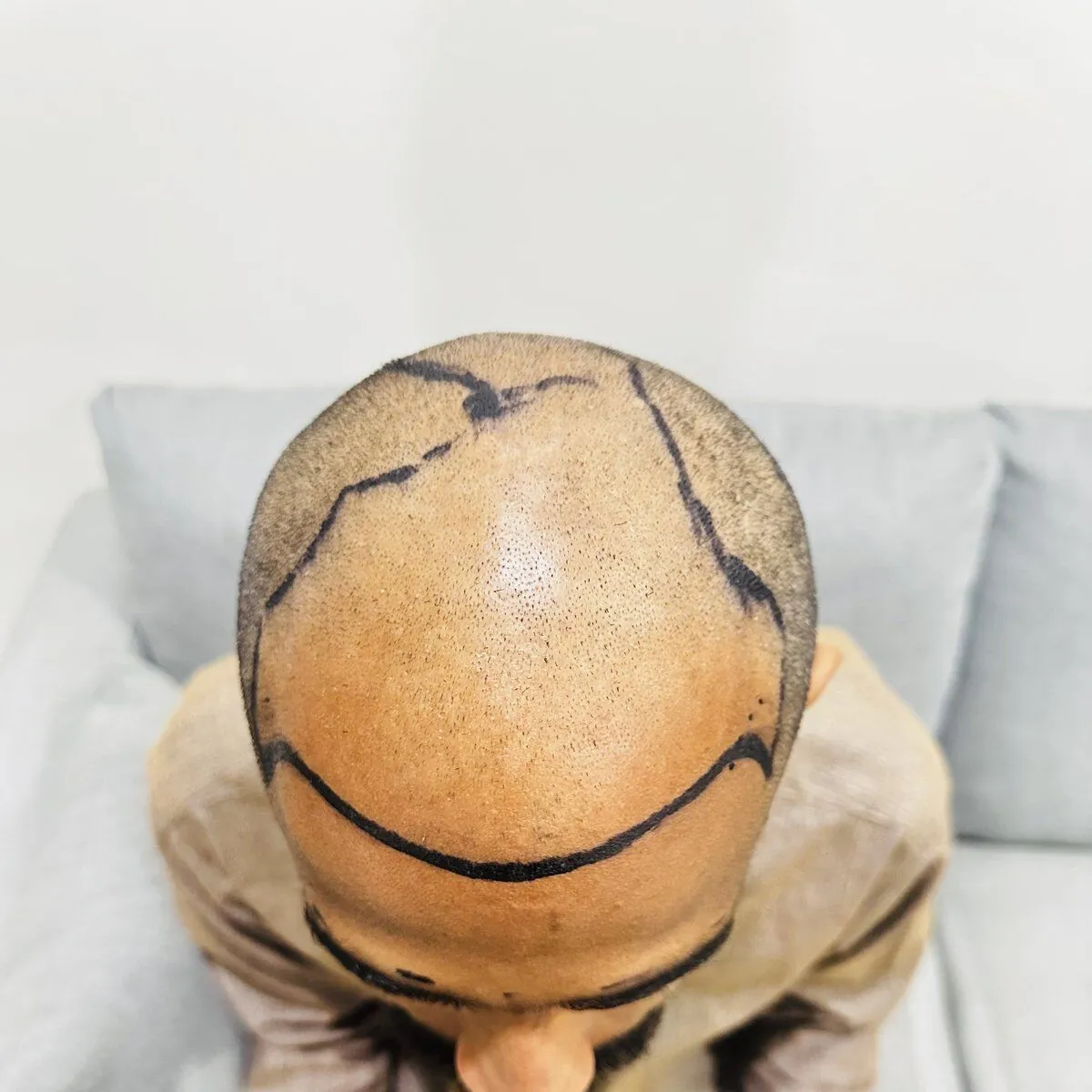
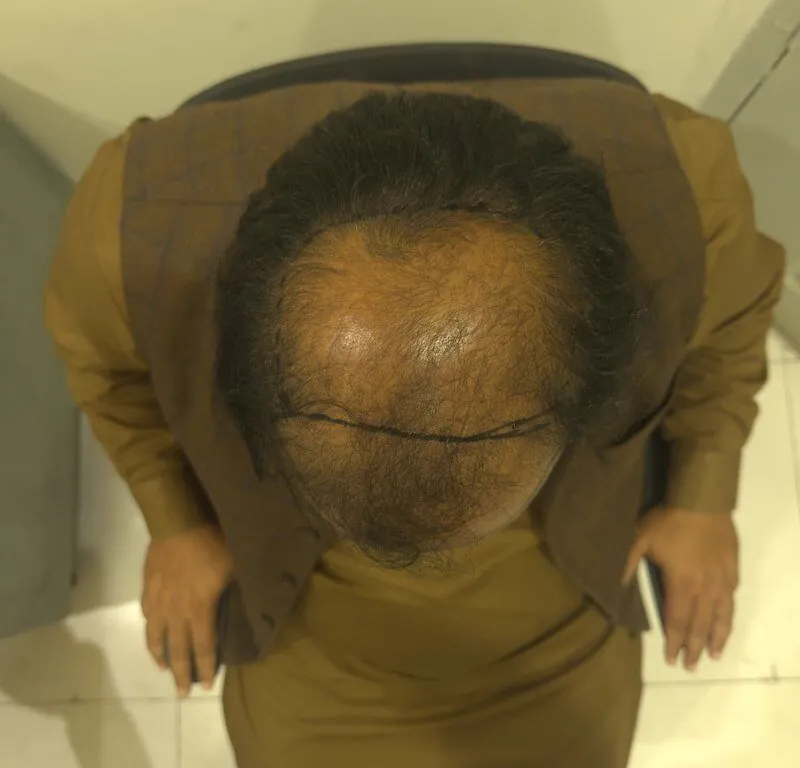
The hairline is what people notice first, so Dr. Junaid draws it by hand and refines it with you in the mirror. He sets it at a height that will still suit you at fifty, not only at thirty, softens the front edge with fine single hairs and keeps the temples in proportion with your face. Each graft is angled forward along your natural hair direction, so the result blends in rather than standing up like a brush.
What the day looks like
Most hair transplants are day cases. You arrive in the morning, confirm the hairline and have photographs taken. Local anaesthetic numbs the donor and recipient areas, after which most people feel pressure rather than pain. Grafts are taken, sorted and placed over several hours, with breaks for meals and prayer. You go home the same evening with written instructions, your medicines and a WhatsApp contact for the team.
Aftercare and the months ahead
For the first few nights you sleep with your head raised and follow the washing routine the team shows you, which loosens the crusts over the next one to two weeks. Heavy exercise, swimming, strong sun and smoking are avoided for as long as advised. The transplanted hairs usually shed between two and six weeks, then new growth starts at around three to four months. Most people see a clear change by six to nine months, with the final result at 12–18 months.
Results vary between people. Like any surgery, a hair transplant carries risks, such as swelling, infection, numbness and uneven growth, and Dr. Junaid goes through these with you at consultation before following your progress as the new hair comes in.
Roman Urdu mein maloomat (بال لگوانا)
Hair transplant mein sar ke peeche aur dono taraf se aap ke apne baal le kar ganjapan wali jagah par lagaye jate hain, aur yeh baal aam tor par lambe arse tak qaim rehte hain. Dr. Junaid Fateh, FCPS plastic surgeon, Lahore mein FUE, FUT, PRP, darhi aur eyebrow transplant karte hain. Graft ke andaze aur mashware ke liye WhatsApp par rabta karein.
WhatsApp par mashwara book kareinFree online tool
Hair graft estimator
Answer two quick questions to see roughly how many grafts people with similar hair loss usually need.
Which picture is closest to your hair loss? (head seen from above, forehead at the top)
How full would you like the result?
What would you like to fill?
What would you like to restore?
Estimated grafts
1,500 to 2,200
This is a rough guide based on typical cases. Your real graft count depends on your donor density, hair type, age and goals, and is confirmed only after Dr. Junaid examines you.
Treatments
Hair Transplant & Restoration with Dr. Junaid
 Signature
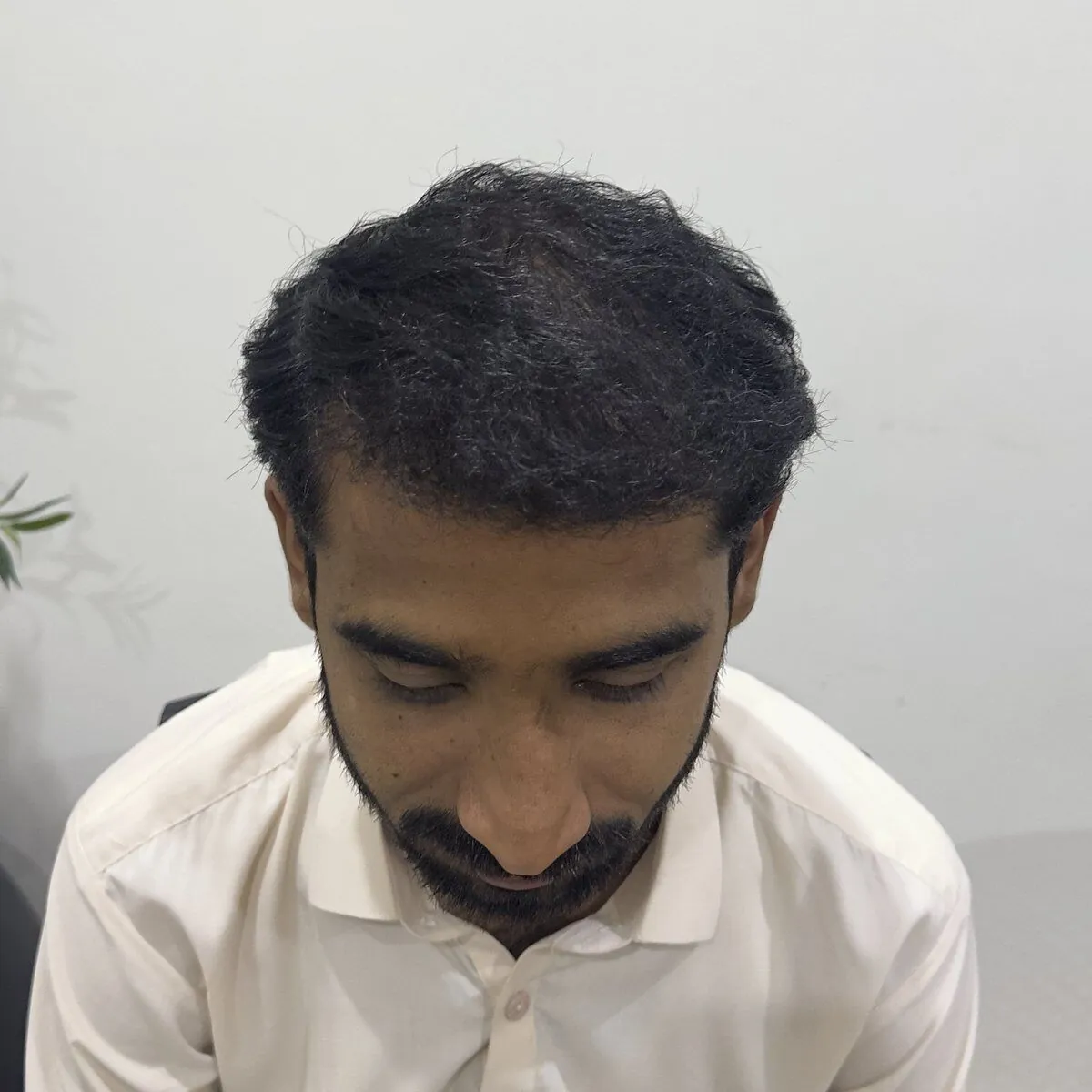
FUE Hair Transplant
Hair moved one follicle at a time to rebuild a receding hairline, temples or crown, with no linear scar. Planned by Dr....
Learn more
 Signature
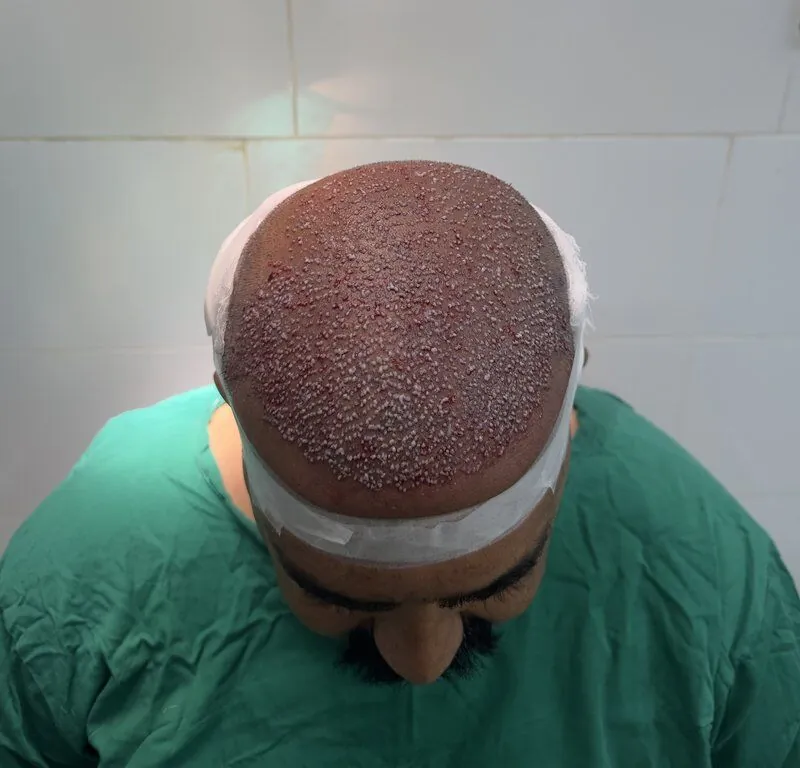
FUT Hair Transplant
The strip method of hair transplant, suited to wider areas of loss that need a high graft number in one sitting. Planned...
Learn more
 Signature
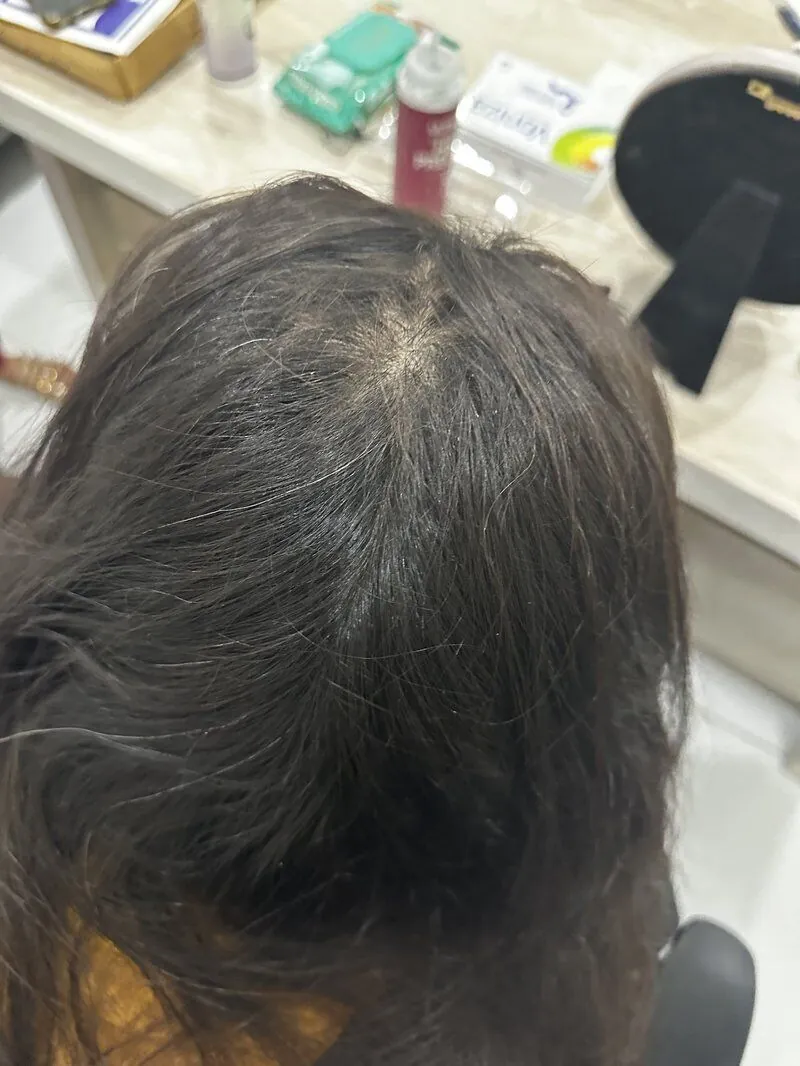
PRP Hair Therapy
A non-surgical scalp treatment that uses platelets from your own blood to support thinning hair, offered by Dr. Junaid...
Learn more
 Signature
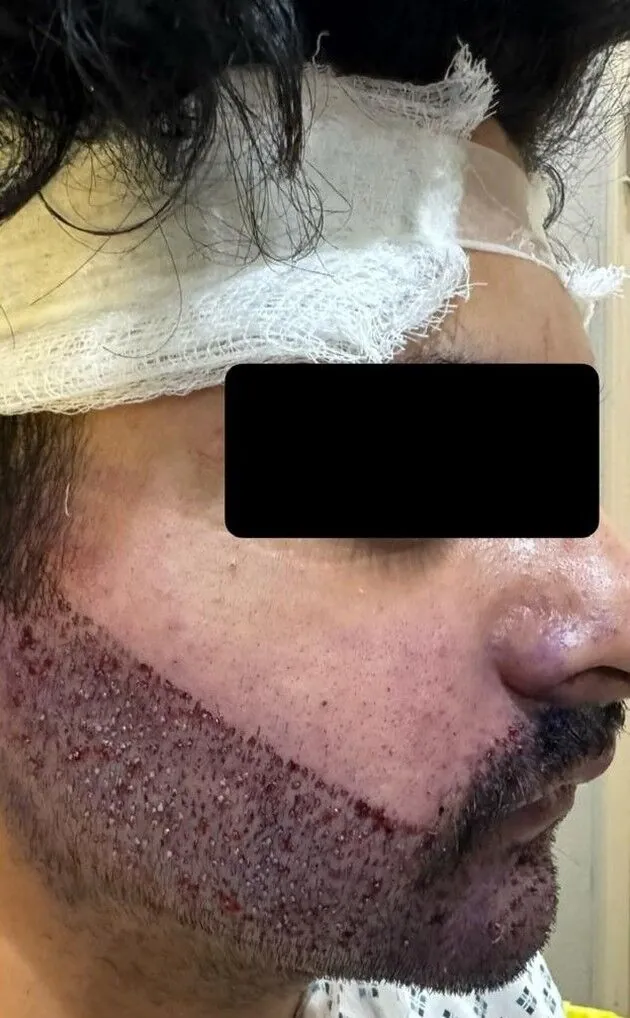
Beard Transplant
Fill a patchy beard, define your cheek line or cover facial scars using hair moved from your scalp, planned by Dr....
Learn more
 Signature
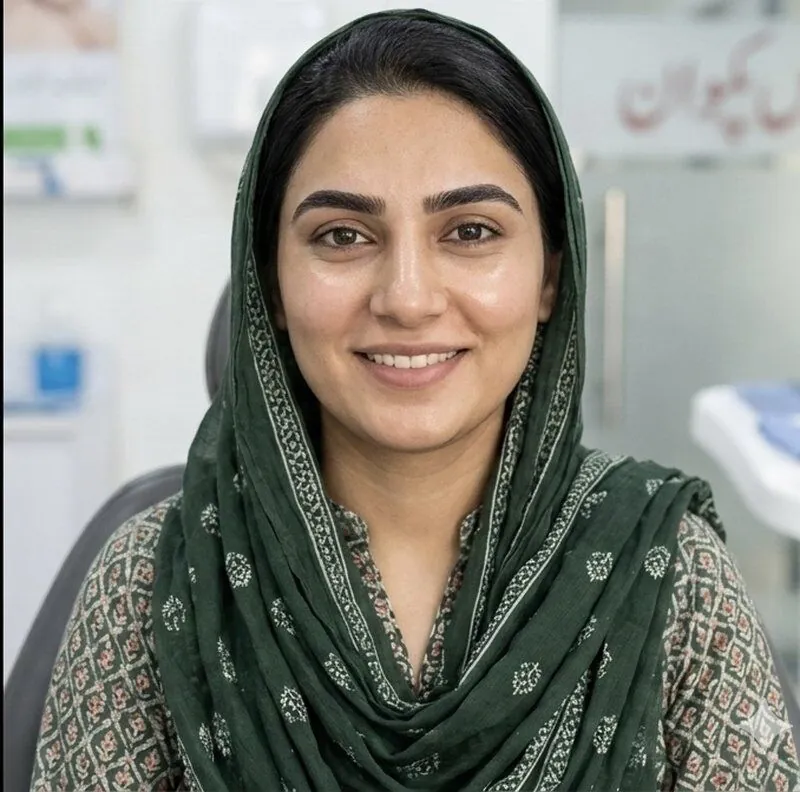
Eyebrow Transplant
Fuller, better-shaped eyebrows using fine hairs moved from your own scalp, designed and planned by Dr. Junaid Fateh in...
Learn more
Results
Before & after
 Before
After
 Before
After
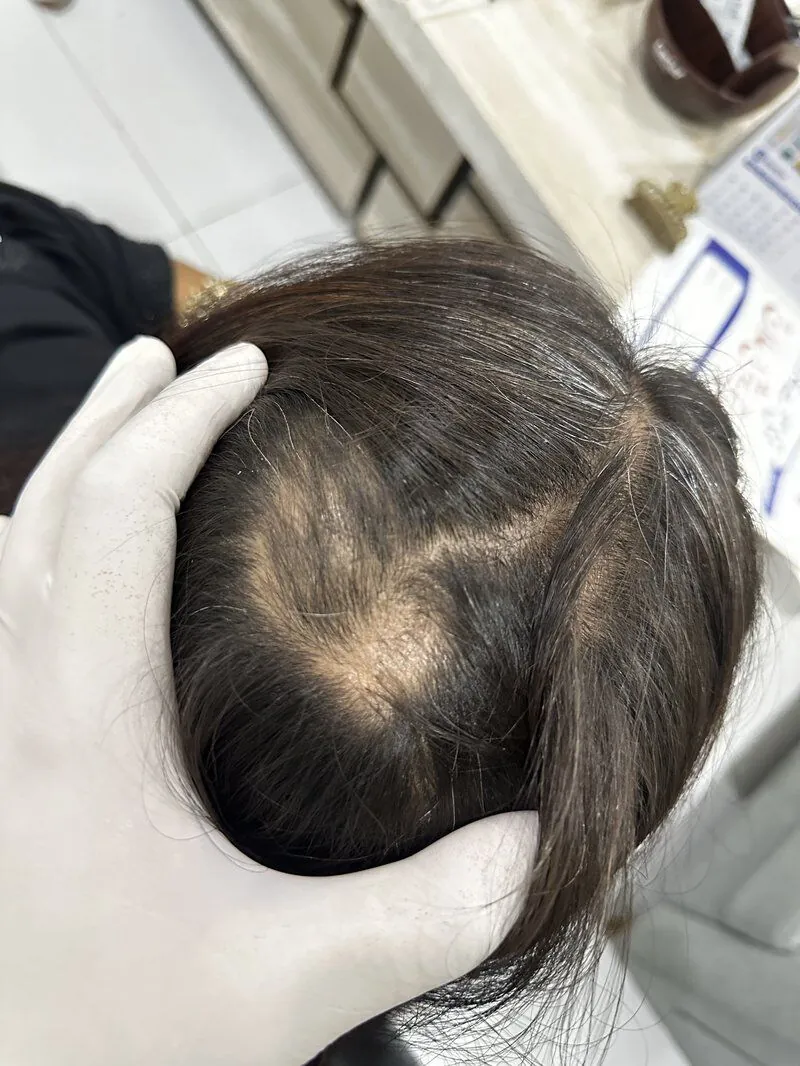 Before
After
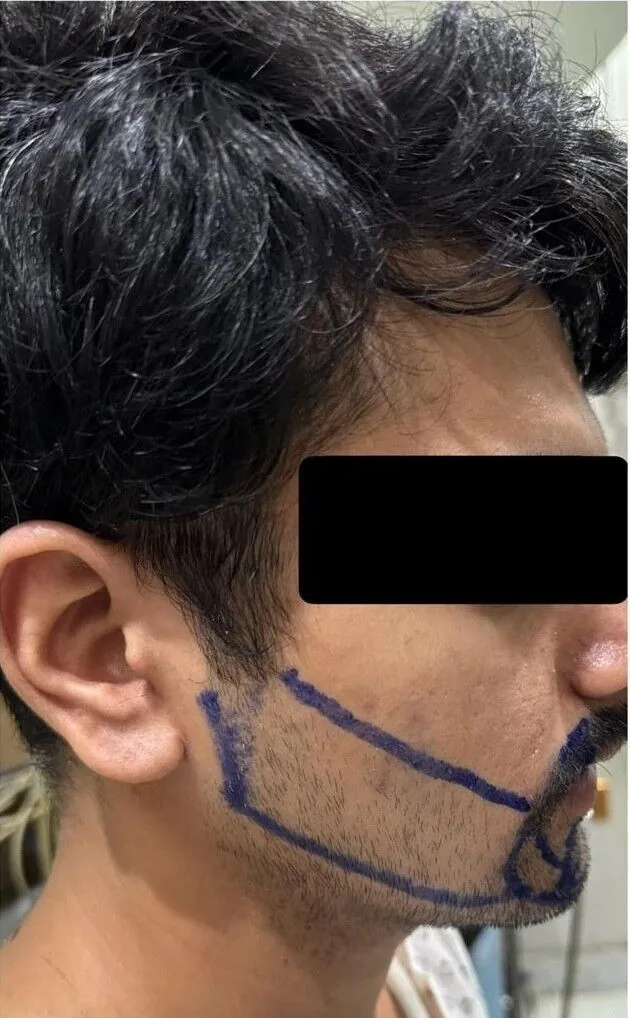 Before
After
Questions
Hair Restoration FAQs
How much does a hair transplant cost in Lahore?
The fee depends mainly on the number of grafts, the method (FUE or FUT), the size of the area and whether PRP or a second session is planned. You receive a personalised quote after your consultation. The graft estimator on this page and the cost guide help you understand the factors before you get in touch.
Is a hair transplant painful?
The scalp is numbed with local anaesthetic, so after the first few injections most people feel only pressure. Afterwards the scalp can feel sore and tight for a few days, which the prescribed painkillers usually manage.
Is a hair transplant permanent?
Transplanted hair is taken from the back and sides of the scalp, where follicles are usually far less sensitive to the hormone behind pattern baldness, so it generally keeps growing for the long term. Your original hair can still thin with age, so Dr. Junaid may suggest treatment to protect it. Results vary between people.
How soon can I go back to work?
After FUE, many people return to desk work in about a week. FUT, or a physical job, may need closer to two weeks. Redness and crusts usually settle within 7–14 days.
Should I choose FUE or FUT?
FUE suits people who keep their hair short and need a moderate number of grafts. FUT can suit larger areas and people who wear their hair longer. Dr. Junaid recommends a method after examining your scalp, and sometimes combines the two.
What is the right age for a hair transplant?
There is no fixed age, but surgery is more predictable once your pattern has become clearer, often from the mid-twenties onwards. If you are younger and losing hair quickly, Dr. Junaid is likely to suggest medical treatment first, so grafts are not placed into a pattern that is still changing.
Can women have a hair transplant?
Yes, in the right circumstances. Hair loss in women is often spread across the whole scalp, including the donor area, so Dr. Junaid first looks for a medical cause. Women with a stable donor area, a naturally high hairline, or loss from scarring or tight hairstyles may be good candidates.
Can I have an online consultation from abroad?
Yes. Send clear photos of your front hairline, top, crown and the back of your head on WhatsApp and book a video consultation. Dr. Junaid can give you an initial opinion and a rough graft estimate, and the final plan is confirmed in person when you arrive.
Take the first step
Talk to Dr. Junaid about your goals
Book a consultation in Lahore, or start with a video consultation from anywhere in the world.