Quick answer
A facelift (rhytidectomy) lifts sagging cheeks, jowls and neck tissue to give a firmer jawline and a refreshed look. In Lahore it is performed by FCPS plastic surgeon Dr. Junaid Fateh. Surgery takes 3 to 5 hours under general anaesthesia with 1 night in hospital, and most people need 2 to 3 weeks off. Results are long-lasting, often 8 to 12 years. Cost depends on your plan and is confirmed after consultation.
Also known as: Face lift, Rhytidectomy, Facial rejuvenation surgery, Mini facelift, Face and neck lift, Face tightening surgery, Chehre ki jhuriyan ka ilaj, Chehre ki dheeli jild ka operation · فیس لفٹ سرجری
About facelift surgery
As the years pass, the soft tissues of the face slowly descend. Cheeks lose their lift, jowls form along the jaw, the folds between the nose and mouth deepen and the neck can loosen. Skincare, fillers and threads can help in the early stages, but once tissue has genuinely dropped, a facelift is usually the most effective way to lift it back into place.
A facelift, or rhytidectomy, repositions the deeper supporting layer of the face and neck and removes the extra skin that has stretched over time. Dr. Junaid Fateh, a plastic and cosmetic surgeon in Lahore, performs facelifts with one clear aim: you should look rested and like yourself, not as though you have had work done.
It helps to know what a facelift does and does not treat. It works on the middle and lower face and, very often, the neck. It does not change your brow, eyelids or skin texture on its own, which is why it is sometimes combined with other procedures.
How Dr. Junaid approaches a facelift
Planning starts with a detailed conversation about what you see in the mirror and what you would like to change. Dr. Junaid examines your skin quality, the degree of sagging in the cheeks, jowls and neck, your bone structure and your hairline, because these decide where scars can be hidden.
He also reviews your general health carefully. Blood pressure, diabetes, blood-thinning medicines and smoking all affect safety and healing, so they are discussed and, where possible, improved before a date is set. You will hear openly what a facelift can and cannot do for you.
His technique focuses on lifting the deeper layer so the skin can rest over it without tension. This keeps expressions natural and helps avoid the windswept appearance people worry about. Incisions run in the natural creases in front of and behind the ear, with care taken to keep your hairline and sideburns where they belong.
Like any operation, a facelift has risks, and Dr. Junaid talks you through them at consultation, along with the steps he and his team take to reduce them.
Techniques and options
Options Dr. Junaid may recommend, depending on your face and goals, include:
- Mini facelift: A shorter-scar lift for early jowling and mild looseness in the lower face, with a quicker recovery.
- SMAS facelift: Tightens and repositions the firm layer beneath the skin for a more thorough, durable lift of the cheeks and jawline.
- Deep plane facelift: Releases and lifts the deeper tissues together, suited to more marked sagging of the mid-face and jowls.
- Neck lift: Often added to a facelift to tighten loose neck skin and soften the bands under the chin.
- Fat transfer: A small amount of your own fat can restore lost volume in the cheeks alongside the lift.
- MACS (short-scar) lift: A version of the mini facelift that lifts the lower face with stitches through a short incision in front of the ear.
- Endoscopic mid-face lift: Small hidden incisions and a camera are used to raise the cheek pad and soften the under-eye and nose-to-mouth area.
What to expect on the day
You come in fasting, meet Dr. Junaid for final markings and see the anaesthetist before going to theatre. Surgery takes around three to five hours under general anaesthesia. You then rest overnight so your dressing, drains and comfort can be checked, and a family member can take you home the next day.
Before & after
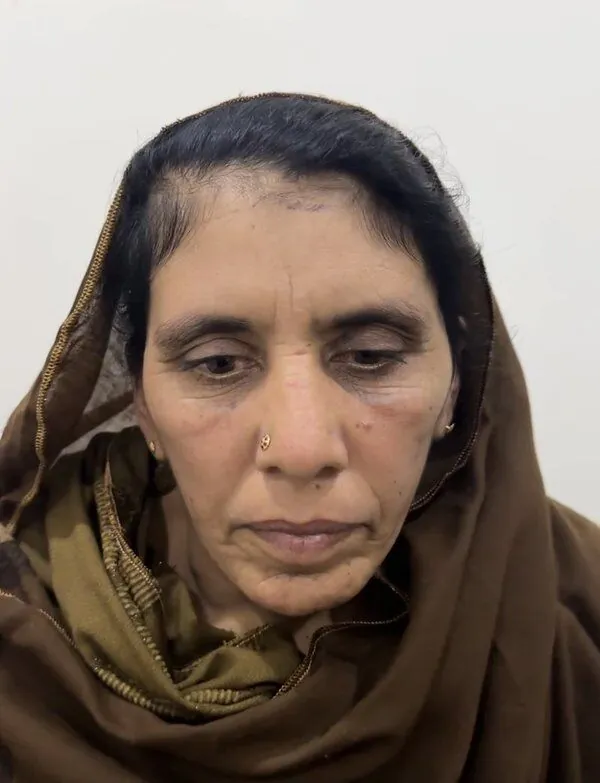
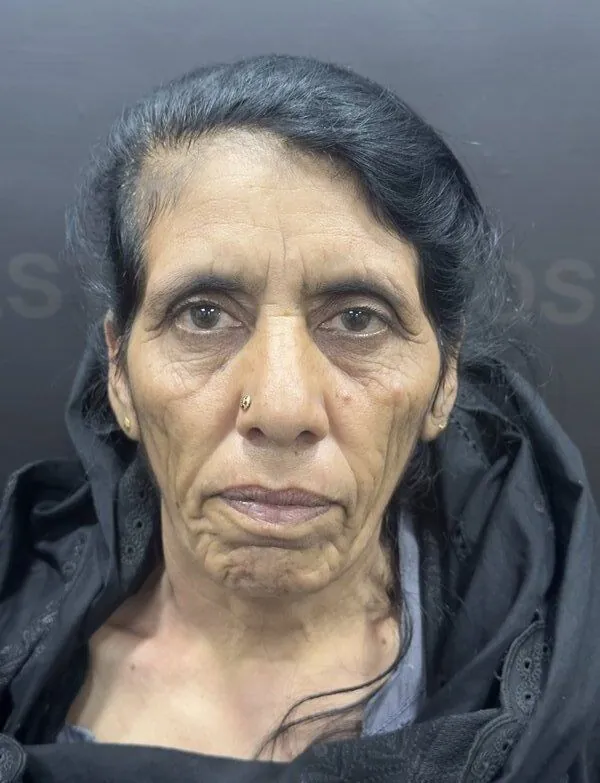 Before
After
Photos are shared with patient consent. Results vary from person to person. See more results
Benefits of Facelift
A rested, refreshed look
Lifting tissue that has fallen can soften the tired or stern expression that sagging often creates.
A cleaner jawline
Jowls are lifted back towards the cheek so the line of your jaw looks defined again.
Natural movement
The deeper layers are repositioned rather than the skin being stretched, so your expressions stay your own.
The neck can be treated too
Loose neck skin and bands under the chin can be addressed in the same operation when needed.
Long-lasting improvement
Your face keeps ageing, but from a fresher starting point that usually holds for many years.
Discreet scars
Incisions follow the natural creases around the ear and into the hairline, where they are easy to hide.
Are you a good candidate?
You may be a suitable candidate for a facelift if you:
- Have jowls or a softened jawline that no longer looks crisp
- Notice sagging cheeks, deeper nose-to-mouth folds or lines running down from the corners of your mouth
- Have loose skin or fullness under the chin and along the neck
- Feel that fillers or threads no longer give you enough improvement
- Are in good general health, with any diabetes or high blood pressure well controlled
- Do not smoke, or can stop for several weeks before and after surgery
- Understand that a facelift refreshes your face rather than stopping the clock
Age alone does not decide suitability. Most people who choose a facelift are somewhere between their forties and seventies, and Dr. Junaid looks at your skin quality, bone structure and health before recommending surgery.
Recovery & aftercare
Recovery from a facelift is gradual. A typical pattern looks like this, though results and healing vary between people:
- Days 1–3
Your face feels tight and swollen, and you may have a light dressing and small drains, which are usually removed within a day or two. Rest with your head raised and keep movements gentle.
- Days 5–10
Stitches are removed in stages. Bruising turns yellow and fades, and most people feel comfortable seeing close family and taking short walks outside.
- Weeks 2–3
Office-based work and social plans usually become manageable, with makeup, a scarf or a dupatta covering any remaining marks.
- Weeks 4–6
Normal exercise usually resumes with Dr. Junaid’s approval. Numbness or tightness near the ears continues to improve.
- Months 3–6
Remaining swelling settles and the final, softer result becomes clear.
If a family wedding or other big event is on the calendar, allow at least two to three months between surgery and the day so swelling has time to settle.
Facelift FAQs
How much does a facelift cost in Lahore?
The price depends on the type of facelift, whether your neck, eyelids or brow are treated at the same time, the anaesthesia, your hospital stay and aftercare. After examining your face, Dr. Junaid prepares a personalised quote that reflects your actual plan. The cost guide explains these factors in more detail.
Is a facelift painful?
The operation is done under general anaesthesia, so you feel nothing during surgery. Afterwards expect tightness, swelling and some aching around the ears and neck. This is usually moderate and well controlled with prescribed painkillers, and it eases over the first week.
How long does a facelift last?
A facelift turns the clock back rather than stopping it. The lift is long-lasting, often for many years, but your face continues to age from its new starting point. Sun protection, not smoking and a stable weight help you keep the benefit for longer. Results vary between people.
How much time off work will I need after a facelift?
Most people take two to three weeks off, and longer if their work is physical or very public-facing. Strenuous exercise and heavy lifting usually wait for four to six weeks. Dr. Junaid will give you a personal timeline at your follow-up visits.
Will people be able to tell I have had a facelift?
The goal is that people notice you look well, not that you have had surgery. Lifting the deeper tissues instead of pulling the skin helps avoid a stretched look, and scars are placed in natural creases around the ear. In the first few weeks swelling is visible, so plan your return to social events accordingly.
Can I have other procedures at the same time as a facelift?
Yes. It is often paired with a neck lift, eyelid surgery, a brow lift or fat transfer. Combining procedures can mean one recovery instead of several, but it also lengthens the operation, so Dr. Junaid advises on what is sensible and safe for you.
What are the risks of a facelift?
Like any surgery, a facelift carries risks, including a collection of blood under the skin, infection, numbness, scar problems, hair thinning near the incisions and, rarely, injury to a facial nerve. Dr. Junaid explains each of these at consultation and how careful preparation helps keep them low.
Can I have an online consultation from abroad?
Yes, and it is a sensible first step if you live overseas or outside Lahore. Share photos of your face and neck, taken from the front and each side, on WhatsApp and arrange a video call. That conversation lets Dr. Junaid judge whether a facelift suits you and what it might involve. Nothing is finalised until he has examined you in person, and you should plan to remain in Pakistan for at least the first two weeks of healing.
When will I see the final results of a facelift?
You can see the lifted jawline once the early swelling goes down, but the face takes time to soften. Most people feel presentable at two to three weeks, and the remaining swelling settles over three to six months, when the final, natural result becomes clear. Numbness or tightness near the ears can take a few months to fade.
What is the best age for a facelift?
There is no single right age. Most people who choose a facelift are somewhere between their forties and seventies, but suitability depends on how much sagging you have, your skin quality, bone structure and general health rather than age alone. At consultation Dr. Junaid tells you honestly whether a facelift, a smaller procedure or a non-surgical option would suit you better.
Roman Urdu mein maloomat (فیس لفٹ سرجری)
Facelift mein chehre aur gardan ki dheeli jild aur neeche latke hue tissue ko upar uthaya jata hai, taake jawline saaf aur chehra taaza nazar aaye. Dr. Junaid Fateh Lahore mein mareezon ko dekhte hain aur facelift ka plan aap ke chehre ke mutabiq banate hain. Mashware ke liye WhatsApp par rabta karein.
WhatsApp par mashwara book karein