Quick answer
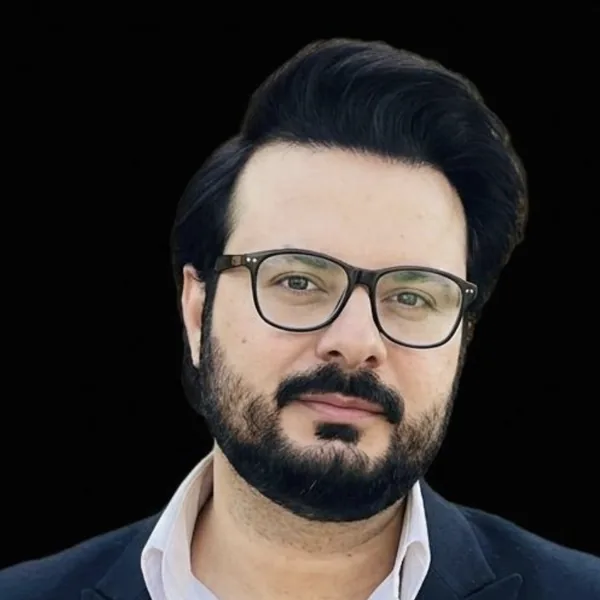
Rhinoplasty, or a nose job, reshapes the bone and cartilage of the nose to suit your face and, if needed, improve breathing. In Lahore it is performed by FCPS plastic surgeon Dr. Junaid Fateh. Surgery takes 2 to 4 hours under general anaesthesia or local with sedation, with 1 to 2 weeks off. Results are permanent, and the final shape shows at about 12 months. Cost depends on your plan and is confirmed after consultation.
Also known as: Nose job, Nose reshaping surgery, Nose surgery, Septorhinoplasty, Rhinoplasti, Naak ki surgery, Naak ka operation, Naak ki plastic surgery · ناک کی سرجری
About rhinoplasty
Your nose sits at the centre of your face, so even a small change to its shape can alter how your eyes, cheeks, lips and chin look together. Rhinoplasty, often called a nose job, reshapes the bone and cartilage of the nose to bring it into better balance with the rest of your features. Dr. Junaid Fateh, a plastic, cosmetic and reconstructive surgeon in Lahore, performs rhinoplasty to improve both appearance and function.
People come to him with many different concerns: a bump on the bridge, a tip that looks heavy or droops when they smile, nostrils that feel too wide, or a nose that has been crooked since a cricket ball or a fall. Others mainly want to breathe properly, especially at night or during exercise. In many cases both issues can be treated in a single operation.
Rhinoplasty is one of the most detailed operations in facial surgery. A change of a millimetre or two makes a visible difference, and the nose keeps refining as swelling settles over many months. That is why careful planning and realistic expectations matter as much as the surgery itself.
How Dr. Junaid approaches rhinoplasty
Your consultation begins with listening. Dr. Junaid asks what bothers you, how you see your nose in photos and in the mirror, and whether you have any breathing complaints. He then examines the outside and inside of your nose, looking at skin thickness, the strength of the cartilage, the septum and the airway.
He will talk you through what is realistic for your anatomy. Thick skin, for example, limits how sharp a tip can become, while a small chin can make a nose look larger than it really is. Where it helps, he looks at your profile as a whole. Photographs are taken to support planning and to track your healing.
His aim is a natural-looking nose that keeps your identity. He prefers measured changes that respect your ethnic features over a dramatic look that can seem out of place on your face. Breathing is protected throughout, because a nose that looks good but blocks easily is not a good result.
Safety runs through every step, from a review of your medical history and medicines to routine tests before surgery. Like any surgery, rhinoplasty carries some risk, which Dr. Junaid discusses openly at consultation so you can decide with confidence.
Techniques and options
Options Dr. Junaid may recommend include:
- Closed rhinoplasty: All incisions are hidden inside the nostrils. It suits moderate changes such as lowering a hump or narrowing the bridge.
- Open rhinoplasty: A small cut across the columella, the skin between the nostrils, gives a direct view of the tip structures. It is useful for tip refinement and more complex reshaping.
- Septorhinoplasty: A deviated septum is straightened alongside the cosmetic changes, improving airflow as well as appearance.
- Revision rhinoplasty: Corrects problems left after earlier nose surgery. This is often more involved, and cartilage grafts may be needed to rebuild support.
- Non-surgical rhinoplasty: Carefully placed dermal filler can smooth a small bump or lift the tip for a temporary change without an operation. It cannot make the nose smaller or fix breathing.
- Ultrasonic (piezo) rhinoplasty: Bone is reshaped with a piezoelectric instrument that vibrates to sculpt bone while sparing the surrounding soft tissue. It allows precise refinement of the nasal bones and can mean less bruising and swelling for some patients.
What to expect on the day
You arrive having fasted as instructed. After a final check with Dr. Junaid and the anaesthetic team, the operation usually takes two to four hours. You wake with a small splint on your nose and either leave the same day with a relative or stay one night. Swelling and bruising tend to build over the first two to three days, then steadily improve.
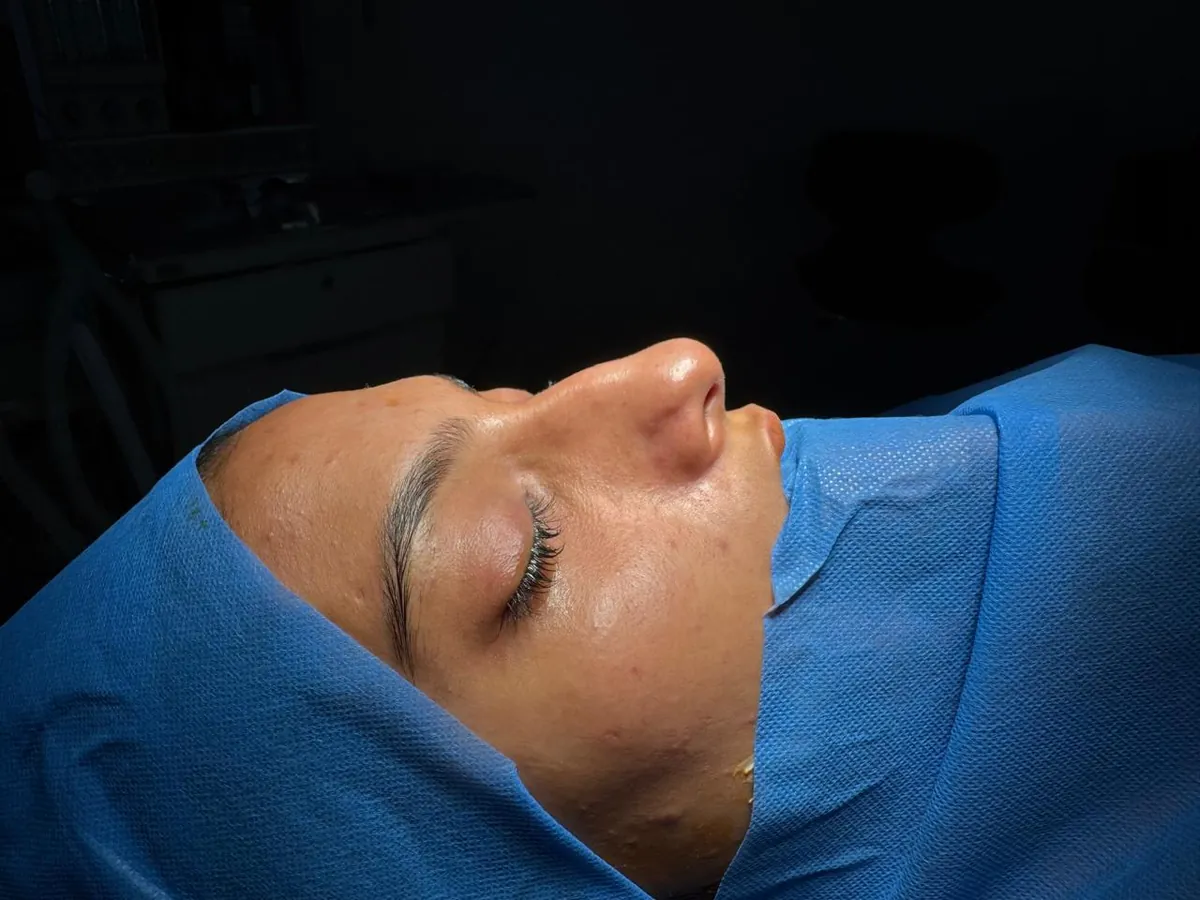
Before & after
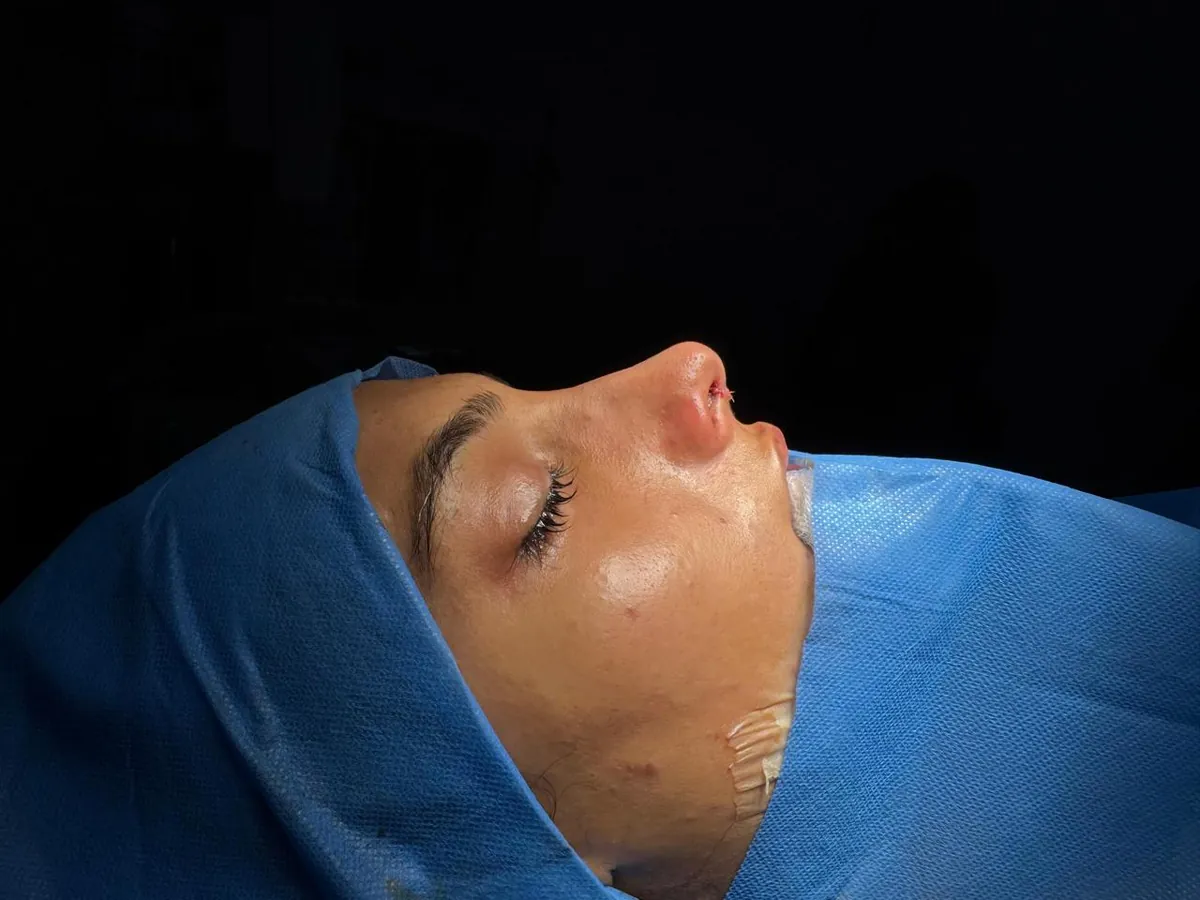
 Before
After
Photos are shared with patient consent. Results vary from person to person. See more results
Benefits of Rhinoplasty
Balance with your other features
Changes are sized to sit in proportion with your forehead, lips and chin, so your nose stops drawing the eye.
Easier breathing
When a bent septum or narrow airway is part of the problem, it can be corrected in the same operation.
A subtle, natural change
The aim is a nose that looks as though it was always yours, rather than one that announces surgery.
Respect for your heritage
Dr. Junaid works with the character of South Asian noses instead of copying a single fashionable template.
Safety-first planning
Your health, airway and skin thickness are assessed before any reshaping is agreed.
A lasting result
Once healing is complete the new shape is long-term, changing only gradually with normal ageing.
Are you a good candidate?
Rhinoplasty may suit you if you:
- Feel your nose is too large, too wide or out of proportion with your face
- Have a bump on the bridge, a drooping or rounded tip, or wide nostrils
- Have a nose that has looked crooked since an old injury
- Struggle to breathe through one or both sides of your nose
- Have finished growing, usually by the mid-to-late teens, and are in good general health
- Are a non-smoker, or ready to give up smoking for several weeks around surgery
- Want a real improvement rather than perfection, and accept that healing takes months
At consultation Dr. Junaid examines the inside and outside of your nose and tells you honestly what your anatomy will allow.
Recovery & aftercare
Healing after rhinoplasty happens in stages. These timings are typical, but everyone heals at their own pace:
- First week
A splint sits on your nose and soft internal support may be used. Swelling and bruising around the eyes peak in the first few days, so sleep with your head raised.
- Days 7–10
The splint is usually removed. Most bruising has faded or can be covered, and many people feel ready for office work and light errands.
- Weeks 2–6
You look presentable in public, though the nose still feels firm and a little puffy. Avoid resting glasses on the bridge, heavy lifting and hard exercise until cleared.
- Months 3–6
Much of the swelling has gone and your profile looks more defined. The tip is usually the last area to settle.
- Months 6–12
The final shape gradually appears, more slowly if your skin is thicker. Dr. Junaid reviews your progress along the way.
You go home with written aftercare advice, and you can message the clinical team on WhatsApp if anything worries you while you heal.
What patients say
Best plastic surgeon in Lahore, hands down. The expertise and attention to detail from Dr. Junaid was unmatched. My nose looks perfectly natural.
Had my rhinoplasty with Dr. Junaid and the results are incredible. Natural looking, no visible scarring. My breathing has improved too!
Related articles
Patient Guides
Rhinoplasty Recovery: What to Expect Week by Week
Splint removal, swelling, bruising, glasses and exercise: a week-by-week rhinoplasty recovery guide, and why the final nose shape takes...
 Patient Guides
How to Choose a Plastic Surgeon in Pakistan: A Patient Checklist
Check PMDC registration, FCPS training and the facility, know what to ask at consultation and spot the red flags. A practical guide to...
Rhinoplasty FAQs
How much does rhinoplasty cost in Lahore?
The fee depends on whether you need cosmetic reshaping, breathing correction or revision of earlier surgery, how complex the work is, the type of anaesthesia and whether you stay overnight. Dr. Junaid gives you a personalised quote once he has assessed your nose at consultation. For a general picture of what goes into pricing, see the cost guide.
Is rhinoplasty painful?
You are asleep or deeply sedated during the operation. Afterwards most people describe a blocked, heavy feeling, a little like a bad cold, rather than sharp pain. Prescribed painkillers usually keep you comfortable, and the discomfort eases noticeably within the first week.
How long do rhinoplasty results last?
The changes made to bone and cartilage are long-term. Your nose will still age naturally with the rest of your face, but it will not return to its old shape. Results vary between people, and the final outline can take up to a year to show.
How much time off work or college will I need?
Plan for about one to two weeks away, and longer if your job is physical. Contact sports and heavy exercise usually wait for around six weeks or until Dr. Junaid clears you. If a wedding or Eid gathering is coming up, book well ahead so the swelling has time to settle.
Can rhinoplasty help my breathing?
Often, yes. If a deviated septum or a narrow internal valve is blocking airflow, it can be corrected during the same operation, which is sometimes called septorhinoplasty. Dr. Junaid checks your breathing as part of every nasal assessment.
Will I need open or closed rhinoplasty?
It depends on what needs changing. Closed surgery keeps every cut inside the nostrils and suits more limited reshaping. Open surgery adds a tiny cut across the strip of skin between the nostrils, giving a clearer view for tip work or complex cases, and that scar usually fades well. Dr. Junaid explains which approach fits your nose and why.
What are the risks of rhinoplasty?
Like any surgery, rhinoplasty carries risks, including bleeding, infection, a reaction to anaesthesia, prolonged swelling, changes in breathing and the chance that a small revision is needed later. Dr. Junaid goes through these with you at consultation and explains how they are kept as low as possible.
Can I have an online consultation from abroad?
Yes. Many overseas Pakistanis start this way. Send clear front, side and three-quarter photos of your face on WhatsApp and book a video consultation, and Dr. Junaid can discuss your goals and outline a likely plan. The final plan is confirmed in person in Lahore before surgery, so allow enough time in Pakistan for splint removal and your early check-up.
What is ultrasonic (piezo) rhinoplasty?
It is a technique where the nasal bones are shaped with a piezoelectric instrument instead of traditional chisels and rasps. The instrument works on bone while sparing nearby soft tissue, which allows fine control and may reduce bruising. Dr. Junaid will tell you at consultation whether it suits your nose.
What is the best age for rhinoplasty?
Rhinoplasty is usually done once the nose has finished growing, which for most people is by the mid-to-late teens. Adults can have it later in life too, as long as they are in good general health. For teenagers, Dr. Junaid wants to be sure the wish for surgery comes from the patient, so he discusses timing with both the patient and the family at consultation.
Roman Urdu mein maloomat (ناک کی سرجری)
Rhinoplasty, jise aam taur par nose job ya naak ki surgery kehte hain, naak ki shakal ko chehre ke mutabiq behtar banati hai aur zaroorat ho to saans ki takleef bhi theek karti hai. Dr. Junaid Fateh Lahore mein mareezon ko dekhte hain aur har naak ka plan alag banate hain. Mashware ke liye WhatsApp par rabta karein.
WhatsApp par mashwara book karein