Quick answer
A chemical peel is a medical solution that removes damaged surface layers of skin, improving uneven tone, acne marks, mild acne scars and dull texture. FCPS plastic surgeon Dr. Junaid Fateh offers peels to patients in Lahore. Light peels take 15 to 30 minutes without anaesthesia, recovery takes 1 to 14 days depending on depth, and 3 to 6 sessions are usual. Cost depends on your plan and is confirmed after consultation.
Also known as: Chemical peel, Skin peel, Facial peel, Chemical peeling, Acid peel, Chehre ke daag dhabbe ka ilaj, Daanon ke nishan ka ilaj · کیمیکل پیل
About Chemical Peels
A chemical peel is a carefully controlled exfoliation. A solution based on a medical-grade acid is applied to the skin for a set time. It loosens and removes the outer layers of dull, damaged or pigmented cells, and the skin that replaces them is smoother and more even. Stronger peels also stimulate collagen in the layer beneath.
Peels are a useful tool for many common concerns in Pakistan: uneven tone and dark patches made worse by strong sun, marks left behind by acne, oily and congested skin, and early fine lines. Dr. Junaid Fateh offers medical chemical peels at his clinic in Lahore, from gentle refreshing peels to medium-depth treatments.
A peel is not one single product. The type of acid, its strength and how long it stays on all change the result and the recovery, which is why a medical assessment matters before the first application. In Lahore’s long, bright summers, stronger peels are often planned for the cooler months, when healing skin is easier to protect from the sun, although light peels can be done year-round with good sunscreen habits.
How Dr. Junaid approaches chemical peels
Brown skin responds well to peels, but it is also more prone to post-inflammatory hyperpigmentation, the dark marks that can follow irritation. Dr. Junaid starts by identifying your skin type and the cause of your concern, since melasma, acne marks and sun spots each need a different plan.
He then chooses a peel strong enough to help but gentle enough for your skin, and often asks you to prepare with a suitable cream for a few weeks beforehand. He prefers to build results over a series of lighter peels rather than risk one aggressive treatment. Throughout, he stresses daily sun protection, because without it pigmentation tends to return.
Techniques and options
- Light peels: Gentle acids such as glycolic, lactic or mandelic acid to brighten skin and smooth texture with little downtime.
- Salicylic acid peels: Oil-soluble peels that clear pores, useful for acne-prone and oily skin.
- Combination peels: Blends of several acids, such as Jessner’s solution, for acne marks, pigmentation and texture.
- Medium-depth peels: TCA (trichloroacetic acid) peels for more noticeable improvement in sun damage, fine lines and some scarring, with a week or so of peeling.
- Pigmentation-focused peels: Formulations selected for melasma and uneven tone, used alongside home skincare and sun protection.
- Deep peels: Phenol-based peels reach deeper into the skin for marked wrinkles, sun damage and some scarring. They are a single, carefully planned treatment with sedation and monitoring, a longer recovery of a few weeks, and are not suitable for every skin type.
What to expect on the day
Your skin is cleansed to remove oil, and the peel is applied in even layers while its effect on your skin is watched closely. It is then neutralised or removed. The appointment takes 15 to 30 minutes, and you leave with sunscreen applied and written aftercare advice. For the first few days, skip make-up if you can, keep your skin moisturised and wear sunscreen every morning, even indoors near windows. The team will tell you when your next peel can safely be scheduled.
Before & after
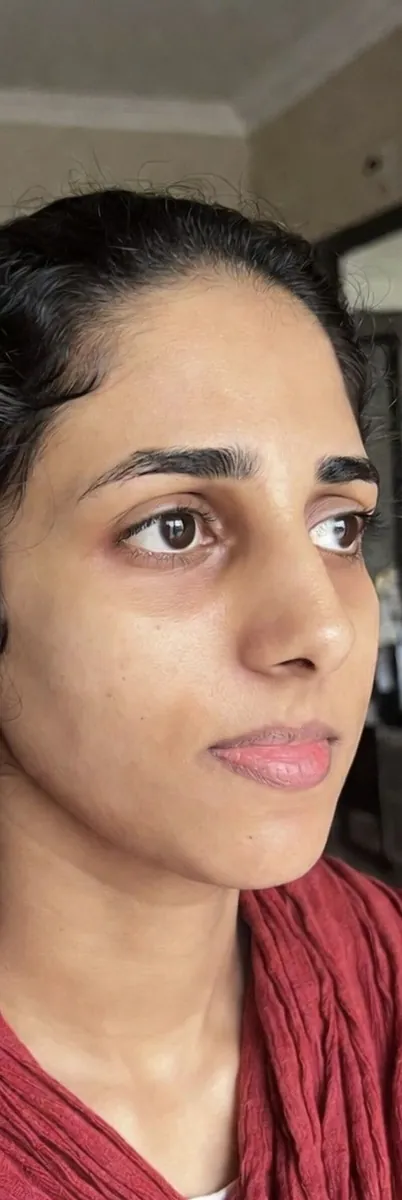
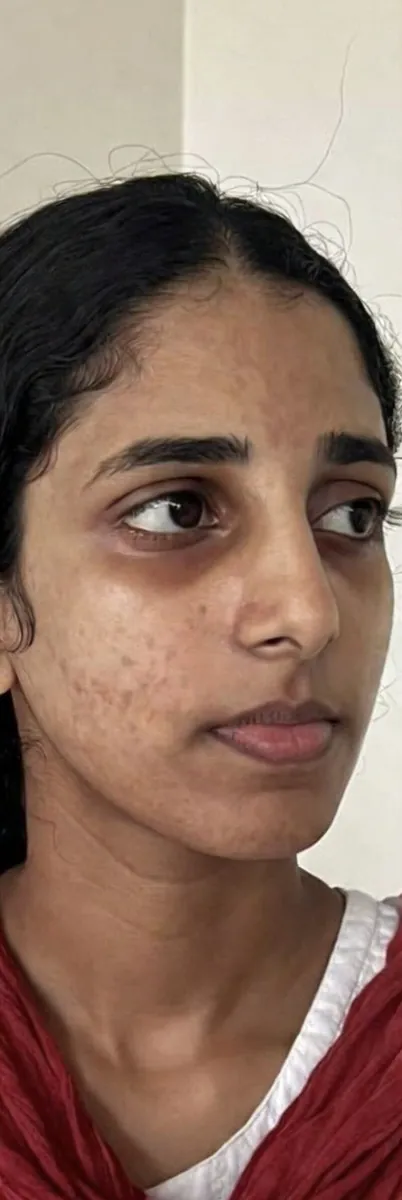 Before
After
Photos are shared with patient consent. Results vary from person to person. See more results
Benefits of Chemical Peels
More Even Tone
Peels can fade dark spots, acne marks and some types of pigmentation over a course of treatment.
Smoother Texture
Removing dull surface cells leaves skin feeling softer and looking more refined.
Help for Breakouts
Certain peels unclog pores and calm oily, acne-prone skin.
Collagen Support
Stronger peels can encourage new collagen, which helps fine lines and mild scarring.
Adjustable Strength
From light refreshing peels to medium-depth treatments, the strength is matched to your skin and goals.
Brown-Skin Awareness
Peels and skin preparation are chosen to reduce the risk of dark marks after treatment.
Are you a good candidate?
Chemical peels may suit you if you:
- Have uneven tone, sun spots, acne marks or some types of melasma
- Have active acne or oily, congested skin
- Have mild acne scarring, fine lines or dull, rough texture
- Are prepared to use sunscreen daily and avoid strong sun while your skin heals
- Have not taken isotretinoin for acne in roughly the last six months
- Are not pregnant or breastfeeding, as some peel ingredients are best avoided at that time
If you are prone to cold sores, have eczema or sunburn in the area, or tend to scar easily, mention this at consultation so Dr. Junaid can adjust the plan or suggest a safer alternative.
Recovery & aftercare
How your skin recovers depends mainly on the depth of the peel.
- Light peels
Mild redness and fine flaking for a few days. Most people carry on with work straight away.
- Medium-depth peels
Redness, tightness and some swelling for several days, then visible peeling. Allow about a week, sometimes up to two, before skin looks settled.
- While peeling
Let skin shed naturally. Do not pick or scrub, and use the gentle cleanser and moisturiser the team recommends.
- Sun protection
Use a high-protection, broad-spectrum sunscreen and avoid direct sun while healing and for several weeks after, when dark marks are most likely.
- Results
Light peels improve skin gradually over a series, while medium peels show a more noticeable change once the skin has fully healed.
Possible side effects include prolonged redness, temporary darkening or lightening of the skin, infection and, rarely, scarring. Dr. Junaid goes through the risks with you at consultation.
Chemical Peels FAQs
How much does a chemical peel cost in Lahore?
The price depends on the type and strength of peel, the area treated and how many sessions are planned. Dr. Junaid gives you a personalised quote after your consultation, and the cost guide explains what affects the price.
Do chemical peels hurt?
Light peels cause tingling or mild stinging for a few minutes. Medium peels feel warmer and more intense for a short time, and a cool fan or compress helps. The sensation settles once the peel is neutralised or removed.
How long do the results last?
With good sun protection and skincare, improvements in tone and texture can last for months. Pigmentation, especially melasma, can return with sun or hormonal changes, so maintenance peels are often advised. Results vary between people.
Will I need time off work?
Not for most light peels. Medium-depth peels usually mean about a week of visible peeling, so many people plan them for a quieter week.
Can I have an online consultation from abroad?
Yes. Send clear daylight photos of your skin on WhatsApp and the team will arrange a video consultation with Dr. Junaid. He may suggest a preparation routine to start at home, and the peel plan is confirmed in person at the clinic.
Are chemical peels safe for brown skin?
Yes, with the right choice of peel. South Asian skin is more likely to develop dark marks after inflammation, so Dr. Junaid favours peels suited to your skin type and may ask you to use a preparatory cream for a few weeks beforehand. A test patch may also be done.
How many peels will I need?
Light peels usually work best as a series of three to six, a few weeks apart. Medium peels are repeated less often. Your plan depends on your skin and your goals.
Can I have a peel before my wedding?
Yes, if it is planned well ahead. Start a series at least two to three months before, and avoid any new or stronger peel in the final two weeks.
Do you offer deep (phenol) peels?
Yes. Deep phenol peels can give a dramatic improvement in deep wrinkles and sun damage, but they need sedation, monitoring during the treatment and a recovery of a few weeks. They are not suitable for darker skin types or for people with certain heart, liver or kidney conditions, so Dr. Junaid assesses you carefully first.
What are the risks or side effects of a chemical peel?
Light peels usually cause only mild redness and flaking. Deeper peels carry more risk, including prolonged redness, infection, a cold sore flare-up, temporary darkening or lightening of the skin and, rarely, scarring. In South Asian skin the main concern is dark marks after treatment, so Dr. Junaid chooses the peel strength carefully, may suggest a preparation cream and a test patch, and asks you to use strict sun protection while your skin heals.
Roman Urdu mein maloomat (کیمیکل پیل)
Chemical peel mein chehre par ek medical solution lagaya jata hai jo jild ki upar wali purani tah utaar deta hai, jis se daag dhabbe, daanon ke nishan aur bejaan jild behtar hoti hai. Dr. Junaid Fateh Lahore mein Pakistani jild ke mutabiq peel ki taaqat chunte hain. Mashware ke liye WhatsApp par rabta karein.
WhatsApp par mashwara book karein