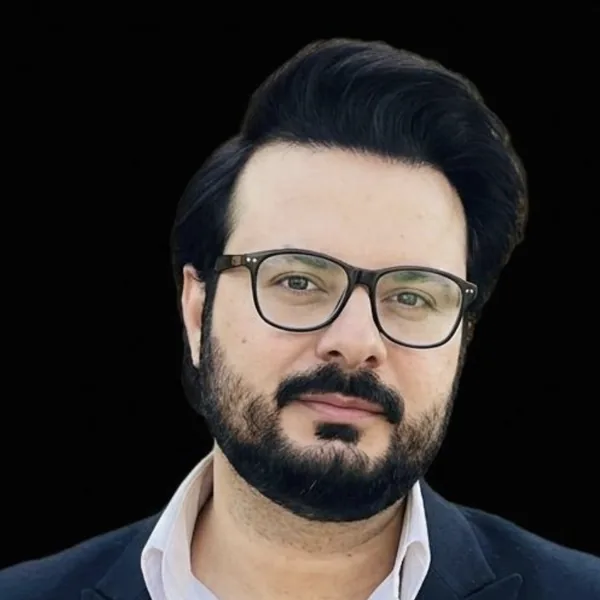
 By Dr. Muhammad Junaid Fateh
· Updated · 5 min read
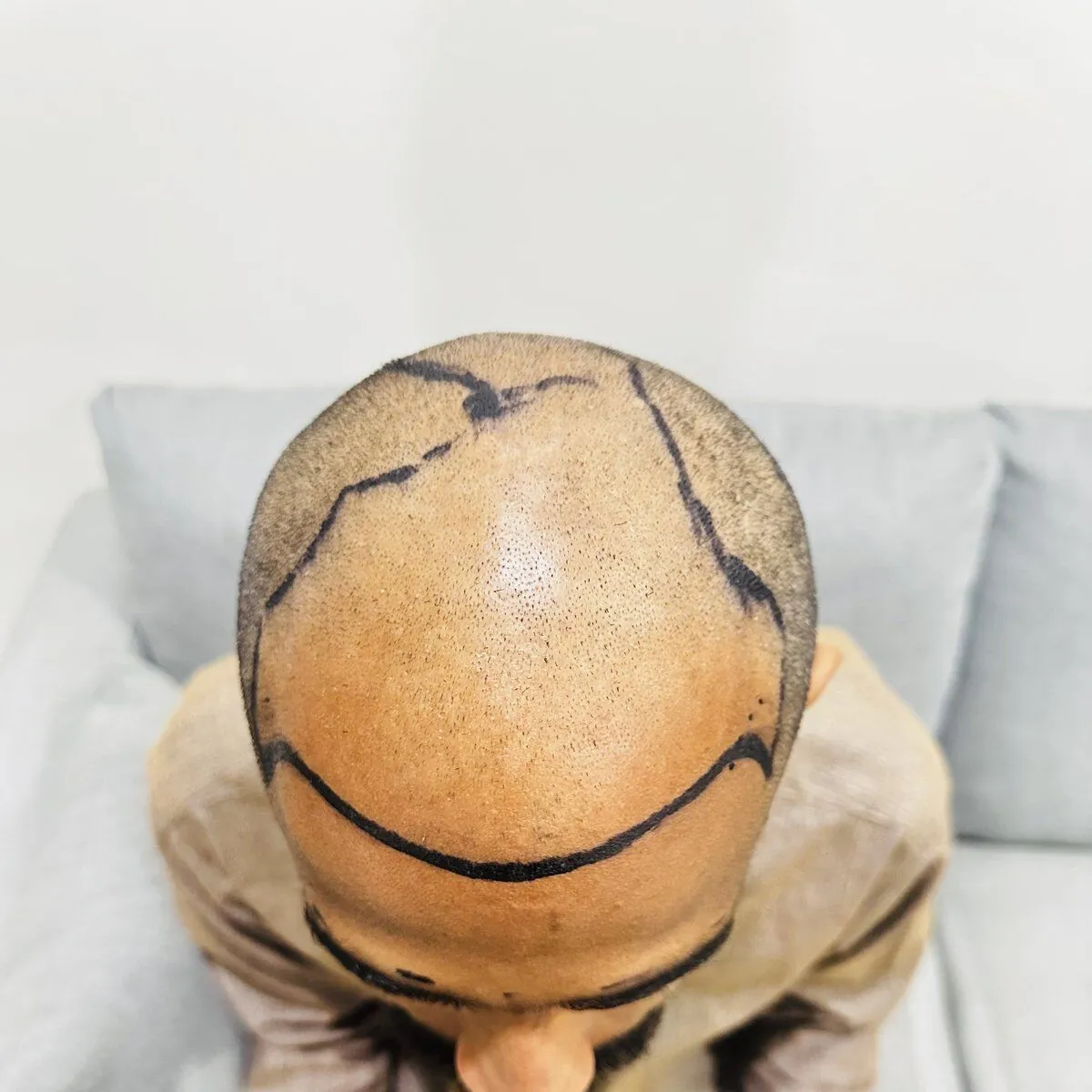
Key takeaways
- A hair transplant can be done safely in summer in Pakistan, provided you follow careful aftercare in the first few weeks.
- The main summer concerns are sweat, dust and direct sun on the healing scalp, and all three can be managed with planning.
- A loose, clean cap is usually allowed after the first few days; tight caps, helmets and turbans wait longer.
- Ask the team before surgery how to manage wudu and sajdah without rubbing or pressing the new grafts.
- Because growth takes twelve to eighteen months, plan surgery about a year before a wedding or other big event.
Yes. You can have a hair transplant in summer in Pakistan, and many people do, as long as you follow careful aftercare in the first few weeks. The main things to manage are sweat, dust and direct sun on the healing scalp, and with good planning each of these is very manageable.
The questions come up every year as temperatures rise in Lahore and across Punjab. Below, Dr. Junaid Fateh explains what actually matters in hot weather, how to protect your grafts, and how to plan around prayer, Eid, weddings and travel.
Does the heat affect the result?
The season on its own is not usually what decides how well grafts grow. What makes the difference is how well the scalp is looked after while the grafts settle into place, which takes about the first ten days to two weeks. During that time the grafts are fragile, and the healing skin is more sensitive to dirt, sweat, friction and sun.
Summer simply means taking a little more care with those things. After the first couple of weeks the grafts are firmly anchored, and normal summer life becomes much easier.
Sweat: keep cool for the first week
Heavy sweating in the early days can irritate the scalp, make it itchy and tempt you to scratch.
- Rest in a cool room. Air conditioning is helpful. If power cuts are common where you live, plan for a backup fan or a cooler room.
- Avoid exertion. No gym, running or heavy work for around two weeks, or as long as advised.
- Dab, do not wipe. If sweat runs down your forehead, dab it gently with a clean tissue, keeping away from the grafts.
- Drink plenty of water and avoid sitting in a hot car or standing in the midday heat.
- Follow the washing routine exactly as the team shows you. Gentle, regular washing keeps the scalp clean and helps the crusts come away.
Dust: protect the scalp outdoors
Dust and pollution are part of daily life in many Pakistani cities, and summer dust storms can make them worse.
- Travel by car with the windows closed in the first days, rather than by motorbike or rickshaw.
- Stay indoors when it is windy or dusty if you can.
- Use a clean pillowcase, and change it often.
- Do not touch the grafts with unwashed hands.
If your work is outdoors, dusty or physical, plan for more time off. Many desk workers return after about a week following FUE, while outdoor or physical jobs often need closer to two weeks.
Sun: the biggest summer risk
Strong sun on a healing scalp can cause sunburn, prolonged redness and discomfort. Protect the treated area from direct sun for the first few months.
- Plan errands for early morning or evening, when the sun is weaker.
- Use shade: an umbrella is a simple, practical option in the early days.
- Sunscreen: only start using it on the treated area when the team says it is safe, usually once the crusts have gone and the skin has healed.
Caps, topis and head coverings
A loose, clean cap is usually allowed after the first few days, once the grafts have settled. Choose a light cotton cap that sits loosely above the grafts and can be washed often in the heat.
- Avoid tight caps, helmets and turbans for longer, as they press and rub on the grafts. Ask the team when each is allowed.
- Put caps on and take them off carefully, lifting them away from the hairline rather than dragging them across it.
- For women, a dupatta or scarf draped loosely, without pressure on the grafted area, is usually more comfortable than anything fitted.
Prayer, wudu and sajdah
For many patients this is one of the most important practical questions, so raise it at your consultation.
Wudu: wudu includes masah, wiping the head with wet hands. In the first days the grafts must not be rubbed or pressed. Ask the team before surgery how to manage this safely. If you have questions about the religious side, such as wiping over a dressing, a local scholar can advise you.
Sajdah: in prostration the forehead rests on the prayer mat, close to a new hairline. Bending forward can also add to swelling in the first days. Ask the team whether you should take extra care, or pray seated, for the first several days so the grafts are not pressed.
On the day of surgery itself, there are breaks for meals and prayer.
Planning around Eid, weddings and travel
A hair transplant is a long project. Transplanted hairs usually shed between two and six weeks, new growth starts around three to four months, and the final result arrives at twelve to eighteen months. The hair transplant recovery timeline explains each stage.
- Weddings: if you want a fuller look for your own or a family wedding, plan surgery about a year ahead.
- Eid: avoid having surgery in the days just before Eid, when you will be greeting family, praying in congregation and wanting photos. On Eid ul Adha, leave the outdoor work of qurbani to others if your surgery was recent.
- Ramadan: fasting makes it harder to stay hydrated and take medicines on time, so discuss this with Dr. Junaid if your recovery overlaps with Ramadan.
- Overseas visitors: many overseas Pakistanis come home during the summer holidays. Plan to stay at least a week after FUE and longer after FUT, and protect your scalp from heat and sun if you are flying back to the Gulf. The overseas patients page explains how video consultations work.
The same summer advice applies to a beard transplant, where sun and sweat on the face need similar care.
Is winter a better time?
Cooler months can feel more comfortable, and some people prefer them. But winter in Lahore brings its own issue, smog, and the best time is usually simply when you can take a few days off, rest properly and follow the aftercare. For most people that can be any time of year.
Your summer aftercare checklist
- Cool room, ideally with a backup plan for power cuts
- Two or three clean, loose cotton caps
- Clean pillowcases and a travel pillow
- Time off work, longer if your job is outdoors
- Car transport for the first few days
- A plan for wudu and prayer, agreed with the team
- Errands planned for early morning or evening
- The team’s WhatsApp number saved, with photos sent as advised
When to contact the team
Message Dr. Junaid’s team on WhatsApp, or seek urgent care, if you notice bleeding that does not stop with gentle pressure, pain that keeps getting worse, spreading redness, pus, or fever. Like any procedure, a hair transplant carries risks such as infection, swelling and patchy growth, which Dr. Junaid explains at consultation.
Talk to Dr. Junaid
If you are thinking of a hair transplant in Lahore this summer, send photos of your hairline, crown and donor area on WhatsApp and book a consultation in Lahore. Dr. Junaid will help you choose a date that fits your work, family events and travel. The cost guide explains what affects the price.
This article is general information and not a substitute for a personal medical consultation.
Quick answers
Is summer a bad time for a hair transplant in Pakistan?
No. Summer is not a bad time in itself. What matters most is how well the scalp is looked after in the first couple of weeks: keeping it clean, avoiding heavy sweating and staying out of direct sun. If you can take a few days off and stay in a cool room, summer works well for many people.
Does sweating damage new hair grafts?
Light sweat is not usually a problem, but heavy sweating, rubbing your forehead and dirt on the scalp in the first days can irritate the grafts and raise the risk of infection. Stay in a cool room, avoid exertion and gently dab, never wipe, the area with a clean tissue.
How do I do wudu after a hair transplant?
The medical rule is simple: no rubbing, pressing or scratching the grafted area until the team says it is safe. Ask before surgery how to manage masah and sajdah in the first days. For questions about the religious ruling, such as wiping over a dressing, a local scholar can advise you.
When can I go out in the sun after a hair transplant?
Avoid direct sun on the scalp for the first few months. Short trips outside early in the morning or in the evening are fine with a loose cap once you are allowed one. Ask the team when you can start using sunscreen on the treated area.
About the author
Dr. Muhammad Junaid Fateh
Plastic, Cosmetic & Reconstructive Surgeon (MBBS, FCPS (Plastic Surgery)) seeing patients in Lahore. Read more about Dr. Junaid.